
Your child works hard every day in physical therapy, occupational therapy, and medical appointments. You’re doing everything right to support their development. But what if poor sleep is quietly undermining all that progress?
A new 2026 study published in Pediatric Research makes a compelling case that sleep disturbances in children with cerebral palsy deserve far more attention than they currently receive. The researchers found that despite sleep’s critical role in child development, we’re barely scratching the surface of understanding how sleep problems affect kids with CP.
Sleep Problems Are More Common in Children with CP
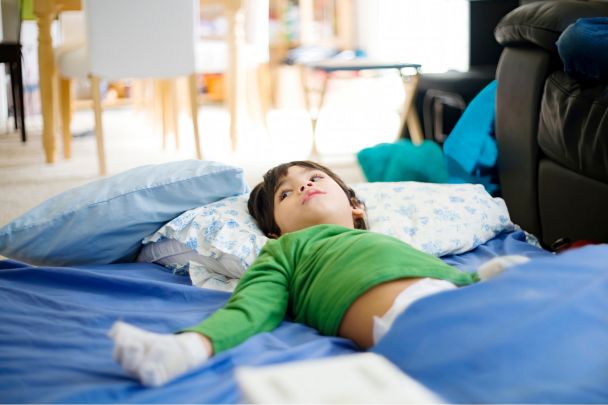
Children with cerebral palsy experience sleep difficulties at much higher rates than other kids. The most common issues include trouble falling asleep and staying asleep, sleep-related breathing disorders (ranging from snoring to obstructive sleep apnea), and excessive daytime sleepiness.
These aren’t just minor inconveniences. Sleep plays a critical role in every stage of child development, supporting physical growth, cognitive function, and emotional regulation. When sleep is disrupted night after night, it creates a cascade of challenges that can further hinder developmental progress in children already facing significant obstacles.
Pain and Position Matter
For children with cerebral palsy, sleep problems often have physical causes that require medical attention:
- Musculoskeletal pain from contractures or positioning can keep children awake
- Breathing difficulties from altered airway tone or abnormal respiratory control
- Movement limitations that prevent comfortable position changes during the night
- Orthotic devices that may cause discomfort when worn overnight
This is where specialized orthopedic care becomes essential. At Children’s Cerebral Palsy in Tampa, FL, Dr. Siambanes evaluates how muscle tightness, joint positioning, and skeletal alignment affect not just daytime function but nighttime comfort. Sometimes addressing the underlying orthopedic issues through surgery or other interventions can dramatically improve sleep quality.
The Severity Connection
Children with more severe forms of cerebral palsy face higher risks for sleep problems, particularly those with:
- Active epilepsy
- Intellectual disability
- Sensory impairments
- Significant motor involvement
The researchers point out that these children often have multiple factors contributing to sleep difficulties, from intrinsic issues like pain and breathing problems to external factors like complex medication schedules and necessary medical equipment.
How Orthopedic Care Connects to Better Sleep
When children with cerebral palsy have musculoskeletal pain from hip displacement, severe contractures, or spinal deformities, comfortable sleep becomes nearly impossible. Surgical interventions that improve alignment and reduce pain may lead to dramatic improvements in sleep quality as a secondary benefit.
At Children’s Cerebral Palsy, Dr. Siambanes considers the full impact of orthopedic issues on daily life, including sleep. Through comprehensive evaluation using Motion Analysis Lab technology, the team can identify specific musculoskeletal problems that may be contributing to nighttime discomfort and sleep disruption.
Sometimes correcting a hip deformity or releasing tight muscles doesn’t just improve walking. It gives a child their first comfortable night’s sleep in months.
Get Comprehensive Care for Children’s Cerebral Palsy in Tampa Bay
Dr. Siambanes provides orthopedic evaluation for children with cerebral palsy, addressing not just mobility concerns but all aspects of physical well-being that affect quality of life. When musculoskeletal issues contribute to sleep problems, targeted surgical or non-surgical interventions can make a meaningful difference.
Request a consultation today to learn how comprehensive care can support your child’s development and quality of life.