
Hearing that your child has spastic quadriplegic cerebral palsy can feel overwhelming. It’s the most severe form of cerebral palsy, and it touches nearly every part of daily life, from how a child moves to how they eat, speak, and learn. Many parents leave the diagnosis appointment with more questions than answers.
Understanding what this condition involves can make the road ahead feel less uncertain. While spastic quadriplegia presents real challenges, it also responds to a wide range of therapies and medical interventions that can improve comfort, function, and quality of life. Knowing what to expect and what options exist gives families a clearer path forward.
This guide breaks down what spastic quadriplegic cerebral palsy means, what causes it, and how a coordinated care team can help your child reach their fullest potential.
What Is Spastic Quadriplegic Cerebral Palsy?
Spastic quadriplegic cerebral palsy is a type of cerebral palsy that causes stiff, tight muscles, known as spasticity, throughout all four limbs. Unlike forms of cerebral palsy that mainly affect the legs or one side of the body, this type also frequently involves the trunk, neck, and face. According to the CDC, spastic quadriplegia is the most severe form of spastic cerebral palsy, and most children with this diagnosis are unable to walk independently.
Spastic cerebral palsy itself is the most common category of cerebral palsy, but within that group, quadriplegic involvement represents the smallest and most complex subset. Children with this diagnosis often need support with nearly every physical task, which is why early, consistent therapy matters so much.
How It Differs From Other Types of Cerebral Palsy
Cerebral palsy is generally grouped by the number of limbs involved and the type of movement disorder it causes. Spastic diplegia mainly affects the legs, while spastic hemiplegia affects one side of the body. Spastic quadriplegia is different because it involves both arms, both legs, and often the trunk and facial muscles, which can make sitting, standing, and even controlling head movement difficult without support.
Because so many muscle groups are affected at once, children with spastic quadriplegia typically need more intensive therapy and a broader equipment setup than children with milder forms of the condition. The severity also means families often work with a larger care team from an earlier age.
What Causes Spastic Quadriplegia
Spastic quadriplegic cerebral palsy develops from injury to the brain during fetal development, birth, or the first few years of life. Common causes include oxygen deprivation during delivery, brain bleeds in premature infants, infections during pregnancy, and severe jaundice that goes untreated. Because the injury tends to affect broader regions of the brain compared to other forms of cerebral palsy, the resulting symptoms are usually more widespread.
It’s worth noting that no two brain injuries look exactly the same, which is part of why severity varies so much from child to child. Some children retain partial use of their limbs, while others need full support for movement, feeding, and communication.
Signs and Symptoms to Watch For
Spastic quadriplegic cerebral palsy is usually identified within the first one to two years of life, often because a baby isn’t meeting motor milestones on schedule. Parents and pediatricians typically notice a combination of physical signs and developmental delays that point toward the diagnosis.
Recognizing these signs early opens the door to earlier intervention, which tends to lead to better long-term outcomes. The symptoms generally fall into two categories: physical movement patterns and associated medical conditions that often accompany this type of cerebral palsy.
Physical and Motor Symptoms
Children with spastic quadriplegia typically show stiff, tight muscles in their arms and legs, along with a few other recognizable patterns. Common physical symptoms include:
- Severe stiffness or rigidity in the arms, legs, and trunk that makes movement difficult
- A floppy or weak neck that struggles to support head control, especially in infancy
- Scissoring of the legs, where the knees and thighs cross or turn inward
- Difficulty opening the hands or grasping objects due to tight finger and wrist muscles
- Limited or absent ability to sit, crawl, or walk without significant support
- Exaggerated reflexes and involuntary muscle spasms
These symptoms often become more apparent as a baby grows and fails to reach typical milestones like rolling over, sitting unsupported, or pulling to stand.
Associated Conditions
Because spastic quadriplegia involves more extensive brain injury, children with this diagnosis frequently experience related medical conditions alongside their motor symptoms. Research on the multisystem effects of spastic cerebral palsy shows that chronic pain affects a large share of children with this condition, often tied to muscle tightness and joint complications such as hip dislocation.
Beyond pain, children with spastic quadriplegia commonly experience intellectual disability, seizure disorders, and difficulties with vision, hearing, or speech. Feeding and swallowing problems are also common, since the muscles used for chewing and swallowing can be affected by the same spasticity seen in the limbs. Identifying these related conditions early allows the care team to address them alongside the physical therapy goals.
How Spastic Quadriplegic Cerebral Palsy Affects Daily Life
Living with spastic quadriplegic cerebral palsy shapes nearly every part of a child’s daily routine, from getting dressed in the morning to participating in school activities. The level of support a child needs depends heavily on the severity of their spasticity and whether other conditions, like seizures or intellectual disability, are also present.
Understanding these daily impacts helps families plan ahead, whether that means adapting the home environment or coordinating school-based support services.
Mobility and Movement
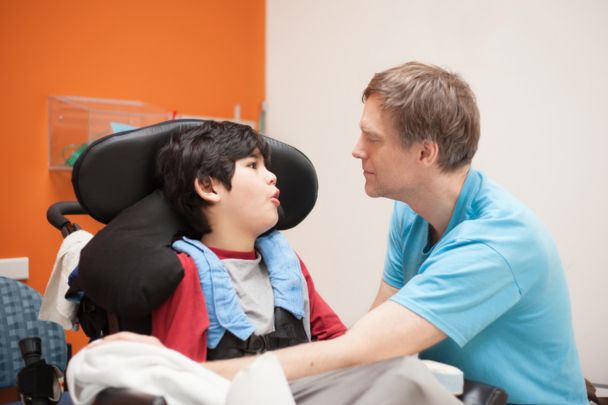
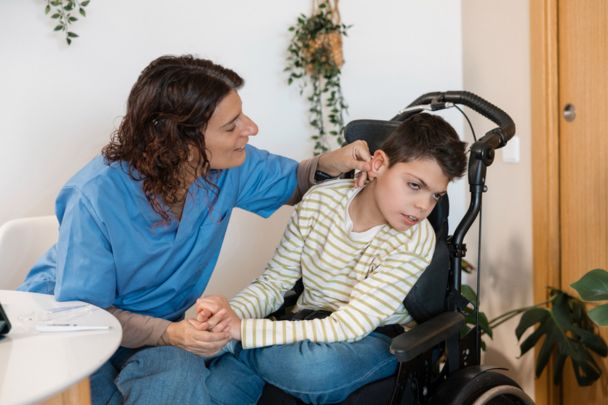
Most children with spastic quadriplegia cannot walk independently and rely on mobility equipment such as wheelchairs, standers, or gait trainers to move around. Positioning equipment, including supportive seating and sleep systems, helps prevent secondary complications such as pressure sores and worsening joint contractures. Simple tasks like transferring from a bed to a wheelchair often require a caregiver’s help or specialized lift equipment.
Because muscle tightness tends to worsen without intervention, ongoing physical therapy plays a central role in preserving whatever range of motion and function a child has. Without consistent stretching and positioning, joints can become more rigid over time, making daily care more physically demanding for both the child and their caregivers.
Communication and Learning
Spasticity affecting the facial muscles can make speech difficult, and many children with this diagnosis benefit from speech therapy and alternative communication tools like picture boards or speech-generating devices. Cognitive ability varies widely among children with spastic quadriplegia. Some children have typical or near-typical intelligence despite significant physical limitations, while others experience intellectual disability that requires modified learning approaches.
Schools often develop individualized education plans that combine physical accommodations, like adapted seating and assistive technology, with academic support tailored to the child’s cognitive abilities. Working closely with both medical providers and school staff helps ensure a child’s educational plan matches their actual needs and strengths.
Treatment Options for Spastic Quadriplegic Cerebral Palsy
There’s no single treatment that addresses every challenge associated with spastic quadriplegic cerebral palsy. Instead, care typically combines several therapies and, when appropriate, surgical procedures to manage spasticity, prevent complications, and maximize function.
The right combination of treatments depends on the child’s specific symptoms, the severity of their spasticity, and any associated medical conditions. A typical care pathway often unfolds in stages as a child grows.
Therapy-Based Approaches
Most treatment plans begin with a coordinated set of therapies designed to address the full range of symptoms:
- Physical therapy to maintain range of motion, build strength, and slow the progression of muscle tightness
- Occupational therapy to support fine motor skills, hand function, and independence with daily tasks like eating and dressing
- Speech and language therapy to address swallowing difficulties and support communication, including alternative communication devices when needed
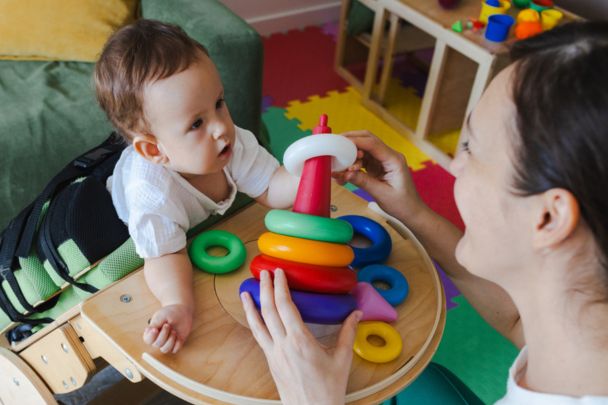
- Sensory and adaptive equipment fitting, including wheelchairs, standers, and positioning systems to support mobility and prevent secondary complications
These therapies often continue throughout childhood and into adulthood, with goals adjusted as the child’s needs change.
Medical and Surgical Interventions
When therapy alone isn’t enough to manage spasticity, medical and surgical options can help. Oral medications and Botox injections are commonly used to reduce muscle tightness in targeted areas. For children with more severe, widespread spasticity, a baclofen pump that delivers medication directly to the spinal fluid can offer significant relief.
Orthopedic surgery also plays an important role for many children with spastic quadriplegia, particularly as they grow and muscle tightness places increasing stress on developing bones and joints. Procedures like muscle lengthening, tendon transfers, and hip reconstruction can improve comfort, prevent joint dislocation, and support better positioning for sitting and care. A surgeon who uses motion analysis technology to guide these decisions can target the specific muscles and bones causing the most difficulty, rather than relying on guesswork.
Building a Care Team and Long-Term Outlook
Because spastic quadriplegic cerebral palsy affects so many systems at once, no single provider can manage every aspect of care alone. A multidisciplinary approach, in which physical therapists, occupational therapists, speech therapists, orthopedic surgeons, and pediatricians communicate and coordinate, provides children with the most consistent and effective support.
Families play a central role in this team as well, since therapy carries over into daily routines at home far more than it happens in a clinic.
Creating a Multidisciplinary Plan
A strong care plan starts with a thorough evaluation that looks at motor function, associated conditions, and the family’s daily routines and goals. From there, the team sets specific, measurable targets, whether that’s improving head control, reducing pain from muscle tightness, or preparing for an upcoming surgical procedure. Regular reassessment ensures the plan keeps pace with the child’s growth and changing needs.
What Families Can Expect Over Time
While the brain injury behind spastic quadriplegic cerebral palsy doesn’t change, the brain’s ability to adapt, along with consistent therapy and medical support, allows many children to build skills and independence over the years that may not have seemed possible at diagnosis. Progress often looks different for every child, and celebrating small functional gains, like improved head control or more comfortable positioning, matters just as much as bigger milestones.
With the right team in place, families can focus less on uncertainty and more on giving their child the consistent support that leads to steady progress.
Next Steps for Your Family
If your child has been diagnosed with spastic quadriplegic cerebral palsy, or you have concerns about severe muscle stiffness affecting all four limbs, a thorough evaluation is the right place to start. Located in Tampa, Florida, Children’s Cerebral Palsy serves families throughout the Tampa Bay region, including Tampa, St. Petersburg, Clearwater, Brandon, and Wesley Chapel. Dr. Siambanes and his team provide comprehensive evaluations and individualized treatment planning for children with spastic quadriplegic cerebral palsy and related conditions. Contact us to schedule a consultation and learn more about the options available to help your child thrive.