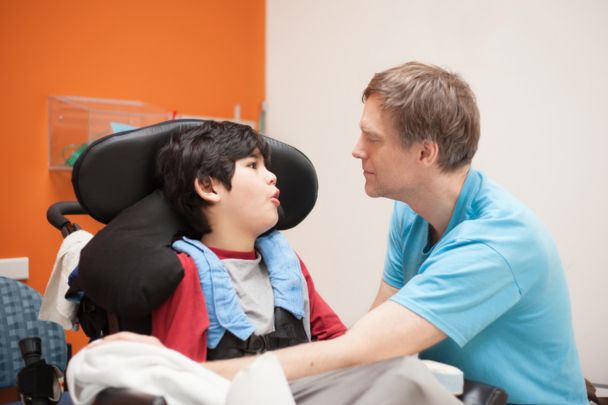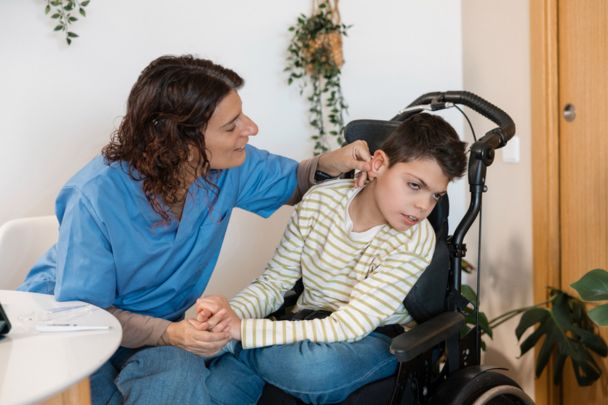

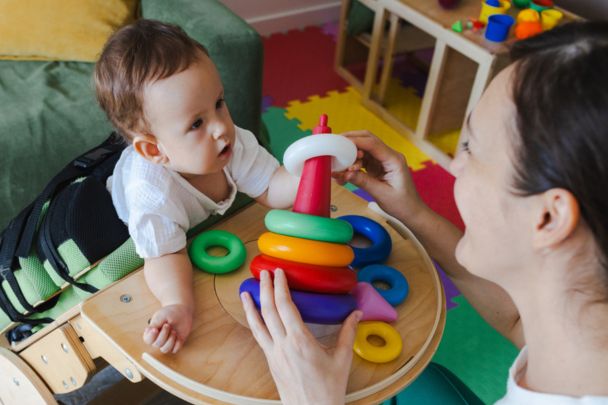
You noticed something felt off months ago. Maybe your baby wasn’t rolling over on schedule, or their arm stayed clenched a little too tightly. You mentioned it at a checkup, and the doctor said to keep watching. Now you’re still watching, still waiting, and still without a name for what your child is experiencing.
This waiting period is one of the hardest parts of the cerebral palsy journey. Few people talk about it openly. Parents often assume a diagnosis should come quickly once symptoms appear. When months pass without answers, it can feel like something has gone wrong. In most cases, nothing has. The timeline simply reflects how doctors identify cerebral palsy.
Understanding why diagnosis takes time can help. It turns an uncertain stretch into one you can actually use.
The Typical Age Range for a Cerebral Palsy Diagnosis
Most families want a specific number. Doctors most commonly diagnose cerebral palsy between 12 and 24 months of age. That range isn’t arbitrary. It reflects how long movement patterns take to become clear. Doctors also need time to rule out other explanations first.
Why Most Diagnoses Happen Between 12 and 24 Months
A baby’s nervous system changes constantly during the first year. This makes early movement differences hard to separate from normal variation. Signs of cerebral palsy often appear in the first few months of life. Even so, many doctors don’t confirm a diagnosis until age 2 or later. Doctors wait until they can observe a consistent pattern. A delay at three months can look completely different by twelve months.
When Diagnosis Comes Earlier or Later
Children with more significant brain injuries sometimes receive a diagnosis well before their first birthday. This often happens with premature babies, since their symptoms tend to show up sooner and more clearly. Children with milder forms of cerebral palsy may not get a diagnosis until they’re toddlers. Subtle coordination or gait differences often don’t stand out until a child starts walking and running. Neither timeline means doctors missed anything. It usually just reflects how the condition presents in that particular child.
Why the Diagnostic Process Takes Time
Parents often expect a single decisive test, similar to a strep swab or a blood panel. Cerebral palsy doesn’t work that way. Understanding this early can ease some of the frustration that builds during the wait.
No Single Test Confirms the Diagnosis
Cerebral palsy is a clinical diagnosis. Doctors reach it by observing your child over time, not by reading one lab result. Doctors weigh physical exams, developmental milestones, and neurological signs together. MRI scans can reveal brain differences that support the diagnosis. Imaging alone cannot confirm it, though, since some children with cerebral palsy have normal-looking scans.
Doctors Rule Out Other Conditions First
Before settling on a diagnosis, your child’s care team rules out other possibilities first. This usually includes genetic disorders, metabolic conditions, and other neurological issues that can mimic cerebral palsy in infancy. This process protects your child from a wrong label. It also ensures the treatment plan that follows actually fits their condition. The care team moves carefully, and that carefulness is exactly why the process takes time.
Early Signs Parents Can Watch For
While you wait for a formal evaluation, it helps to know what doctors are actually looking for. Recognizing these signs yourself can help you advocate for earlier referrals and more focused testing.
Signs in the First Year
Doctors and specialists commonly watch for the following in infants:
- Muscle tone that feels unusually stiff or unusually floppy compared to other babies the same age
- Favoring one side of the body when reaching, rolling, or holding the head
- Missing early motor milestones like sitting without support or bearing weight on the legs
- Feeding or swallowing difficulties that don’t improve with typical adjustments
- Exaggerated or persistent reflexes that should have faded by a certain age
Signs That Show Up in Toddlerhood
In children whose symptoms are milder, signs tend to surface once walking begins. These include a noticeably uneven gait and frequent falling well past the age when most toddlers become steady on their feet. Ongoing trouble with fine motor tasks, like stacking blocks or using a spoon, is another common sign. If you’re seeing these patterns, ask for a referral to a pediatric neurologist or developmental specialist. Don’t wait for the next scheduled checkup.
What to Do While You Wait for Answers
The period before diagnosis can feel like it’s on hold, but it doesn’t have to be. Many of the interventions that help children with cerebral palsy don’t actually require a formal diagnosis to begin.
You Don’t Need a Formal Diagnosis to Start Support
Early intervention programs provide services like physical therapy and occupational therapy for children under three. Most states offer these programs based on developmental delay alone, without requiring a diagnosis first. Your child can qualify and begin services while the diagnostic process is still underway. Starting early matters because a young brain has more capacity to build new neural connections in response to therapy.
Steps That Help During the Waiting Period
Consider taking these steps while you wait for a confirmed diagnosis:
- Ask your pediatrician directly for a referral to a pediatric neurologist or developmental pediatrician. Don’t wait to be offered one.
- Contact your state’s early intervention program to request an evaluation, since many programs accept self-referrals from parents.
- Keep a simple log of what you’re observing, including dates and specific behaviors. This gives you concrete details to share at each appointment.
- Ask what type of imaging or assessment comes next, and what result would move the process forward.
- Bring a list of questions to every visit so uncertainty doesn’t derail the conversation once you’re in the room.
Building Your Child’s Care Team After Diagnosis
Once doctors confirm a diagnosis, the focus shifts from waiting to planning. This next phase moves faster than the diagnostic period. Having the right team in place makes a real difference.
Assembling the Right Specialists
Children with cerebral palsy typically benefit from a coordinated team. This team may include a pediatric orthopedic surgeon, physical and occupational therapists, and a speech-language pathologist. Your child’s type of cerebral palsy matters here. Whether it’s spastic, ataxic, or another form, it shapes which specialists play the biggest role in their care.
Moving Forward with a Plan
A diagnosis, once it finally arrives, opens the door to a more targeted plan for your child. That plan can include specific therapy goals and potential cerebral palsy treatments suited to their needs. Many families find relief in finally having a name for what they’re facing. Clear next steps make the uncertainty easier to carry.
Your Next Step
If you’re in that in-between space right now, waiting for evaluations or a second opinion, you’re not alone. Located in Tampa, Florida, Children’s Cerebral Palsy serves families throughout the Tampa Bay region. This includes St. Petersburg, Clearwater, Brandon, and Wesley Chapel. Dr. Siambanes and his team can help you understand where your child stands in the diagnostic process. They can also walk you through what to expect next. Contact us to schedule a consultation.