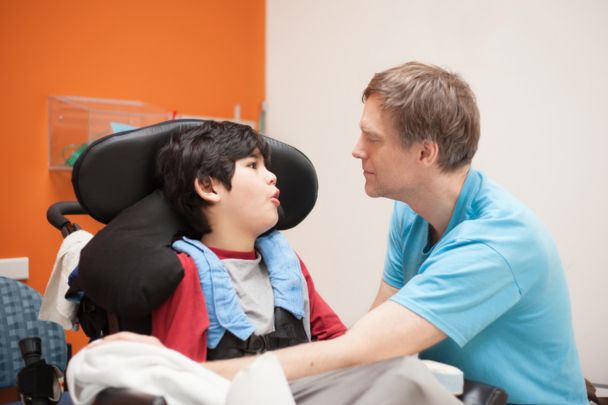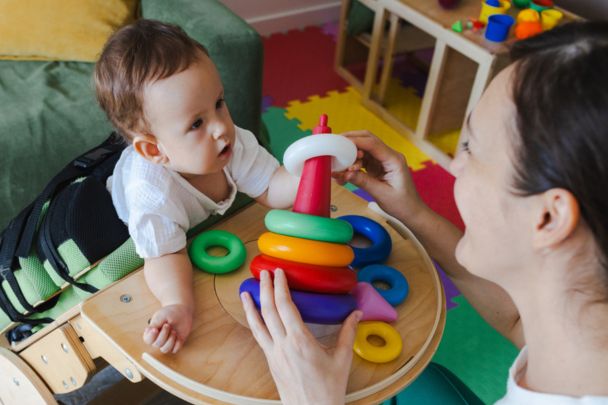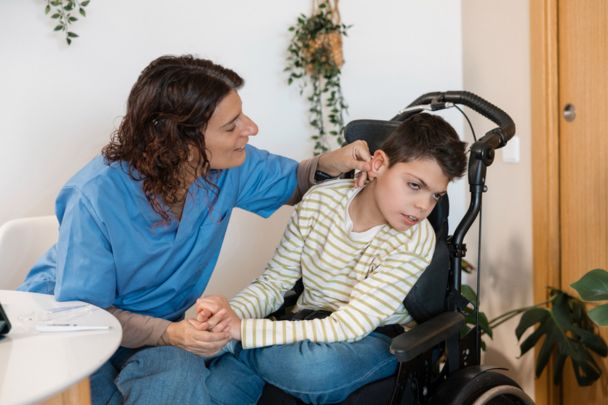


Ataxic cerebral palsy affects balance, coordination, and precise movements in children, presenting unique challenges that require specialized therapeutic approaches. As one of the less common forms of cerebral palsy, ataxic cerebral palsy demands a comprehensive understanding of its characteristics and targeted treatment strategies to help children achieve their maximum potential.
What Is Ataxic Cerebral Palsy?
Ataxic cerebral palsy is a movement disorder that primarily affects the cerebellum, the part of the brain responsible for balance, coordination, and fine motor control. Children with ataxic cerebral palsy typically experience difficulties with depth perception, balance, and coordinated movements. This form represents approximately 3.8% of all cerebral palsy cases, making it the least common type.
The condition results from damage to the cerebellum during brain development, whether before, during, or shortly after birth. Unlike other forms of cerebral palsy that may cause muscle stiffness or involuntary movements, ataxic cerebral palsy primarily manifests as unsteady, shaky movements and poor coordination.
Signs and Symptoms of Ataxic Cerebral Palsy
Children with ataxic cerebral palsy display several characteristic symptoms that distinguish this condition from other forms of cerebral palsy:
Motor Function Challenges:
- Unsteady walking with a wide-based gait
- Difficulty with balance and frequent falls
- Tremors, particularly during purposeful movements
- Poor hand-eye coordination
- Challenges with precise movements like writing or buttoning clothes
Developmental Challenges:
- Delayed motor milestones such as sitting, crawling, and walking
- Difficulty with activities requiring fine motor skills
- Problems with spatial awareness and depth perception
- Inconsistent muscle tone that may appear normal at rest
Functional Challenges:
- Challenges with activities of daily living
- Difficulty participating in sports or playground activities
- Academic challenges related to handwriting and motor tasks
- Potential speech difficulties due to coordination issues
Physical Therapy for Ataxic Cerebral Palsy
Physical therapy serves as the cornerstone of treatment for children with ataxic cerebral palsy, focusing on improving balance, coordination, and functional mobility. A comprehensive physical therapy program addresses the specific needs of each child through targeted interventions.
Balance Training Techniques
Physical therapists employ various balance training methods, including standing on different surfaces, using balance boards, and practicing weight-shifting exercises. These activities help children develop better proprioceptive awareness and improve their ability to maintain stability during daily activities.
Coordination Exercises
Specialized exercises target hand-eye coordination, bilateral coordination, and motor planning skills. Activities might include ball games, obstacle courses, and repetitive movement patterns that help establish better motor control pathways in the brain.
Gait Training
Walking training focuses on improving the child’s gait pattern, reducing the characteristic wide-based stance, and promoting more efficient movement patterns. This may include treadmill training, parallel bar exercises, and over-ground walking practice.
Occupational Therapy Interventions
Occupational therapy plays a crucial role in helping children with ataxic cerebral palsy develop independence in daily living activities and improve fine motor coordination.
Fine Motor Skill Development
Occupational therapists work on improving hand strength, dexterity, and coordination through activities like playing with small objects, drawing, cutting with scissors, and practicing handwriting skills. These interventions help children develop the precision needed for academic and self-care tasks.
Adaptive Strategies and Equipment
When standard approaches aren’t sufficient, occupational therapists introduce adaptive equipment and strategies. This might include weighted utensils to reduce tremors, special writing tools, or computer keyboards designed for children with coordination difficulties.
Sensory Integration
Many children with ataxic cerebral palsy benefit from sensory integration techniques that help improve their body awareness and motor planning abilities. These interventions address underlying sensory processing issues that may contribute to coordination difficulties.
Speech and Language Therapy
Children with ataxic cerebral palsy may experience speech difficulties related to coordination problems affecting the muscles used for speaking. Speech and language therapy addresses these challenges through:
Articulation Training
Speech therapists work on improving the clarity and precision of speech sounds, often using exercises that strengthen oral motor muscles and improve coordination between breathing, speaking, and swallowing.
Communication Alternatives
For children with significant speech challenges, therapists may introduce alternative communication methods, including sign language, communication devices, or picture exchange systems, to ensure effective communication.
Assistive Technology and Adaptive Equipment
Modern assistive technology offers numerous solutions to help children with ataxic cerebral palsy overcome coordination and balance challenges:
Mobility Aids
Depending on the severity of balance issues, children may benefit from mobility aids such as walkers, canes, or ankle-foot orthoses (AFOs) to improve stability and prevent falls.
Computer and Learning Aids
Specialized keyboards, voice recognition software, and adaptive mouse options can help children with fine motor coordination difficulties access computers and complete academic work more effectively.
Daily Living Equipment
Adaptive tools for eating, dressing, and personal care can promote independence and reduce frustration for children struggling with coordination tasks.
Creating a Comprehensive Treatment Plan
The most effective approach to treating ataxic cerebral palsy involves a multidisciplinary team that may include physical therapists, occupational therapists, speech therapists, and specialized physicians like Dr. Siambanes. This collaborative approach ensures that all aspects of the child’s development and function are addressed.
Individualized Goal Setting
Each child’s treatment plan should be tailored to their specific needs, abilities, and family goals. Regular assessments help track progress and adjust interventions as the child grows and develops.
Family Involvement
Successful therapy outcomes depend heavily on family participation and continuation of therapeutic activities at home. Therapists work closely with families to teach strategies and exercises that can be incorporated into daily routines.
The Role of Surgical Intervention
While therapy forms the foundation of treatment for ataxic cerebral palsy, some children may benefit from surgical interventions to address specific complications or improve function. Dr. Siambanes evaluates each child individually to determine if surgical options might enhance their mobility or reduce secondary complications.
Children with ataxic cerebral palsy may develop orthopedic issues over time, including scoliosis or hip problems, which may require surgical intervention to maintain function and prevent further complications.
Long-term Outcomes for Ataxic Cerebral Palsy
With appropriate therapeutic interventions and family support, children with ataxic cerebral palsy can achieve significant improvements in balance, coordination, and independence. While the underlying brain damage cannot be reversed, the brain’s plasticity allows for the development of compensatory strategies and improved function over time.
Early intervention and consistent therapy provide the best opportunities for children to develop their maximum potential. Many children with ataxic cerebral palsy go on to participate in regular school activities, sports, and lead fulfilling, independent lives.
Expert Care for Cerebral Palsy in Tampa, Florida
At Children’s Cerebral Palsy, Dr. Siambanes understands the unique challenges faced by children with ataxic cerebral palsy and their families. Through comprehensive evaluation and collaborative treatment planning, he works to help each child achieve their highest level of function and independence.
If your child has been diagnosed with ataxic cerebral palsy or you have concerns about balance and coordination issues, contact us to schedule a consultation and learn more about treatment options available to help your child thrive.