
Parents of children with cerebral palsy (CP) often hear unfamiliar medical terms during the diagnosis process. One of the less common types is athetoid cerebral palsy, a condition that can affect a child’s ability to control their movements and hold their posture. Unlike spastic or hypotonic types of CP, athetoid CP presents unique challenges that may change how a child interacts with their environment.
What Is Athetoid Cerebral Palsy?
Athetoid cerebral palsy, also called dyskinetic CP, is a type of cerebral palsy marked by involuntary movements. These movements can be writhing, twisting, or jerky, and they often interfere with a child’s ability to sit still, maintain balance, or perform intentional actions like grasping a toy or feeding themselves.
Unlike spastic CP, which involves tight, stiff muscles, athetoid CP often includes a mix of fluctuating muscle tone, sometimes too tight (hypertonia) and sometimes too loose (hypotonia).
This type of cerebral palsy is linked to damage in the basal ganglia, the part of the brain responsible for regulating voluntary movement. That’s why the symptoms are so centered on motion control and coordination.
What Causes Athetoid Cerebral Palsy?
Athetoid CP usually results from brain damage that occurs before, during, or shortly after birth. This damage often involves:
- Lack of oxygen (hypoxia) to the baby’s brain
- Birth complications such as prolonged labor or emergency C-sections
- Severe cases of neonatal jaundice that lead to a condition called kernicterus
- Infections during pregnancy that affect fetal brain development
- Premature birth, which increases the risk of brain injury
This type of cerebral palsy accounts for about 10–15% of all CP cases, making it less common than the spastic form, but still important for families to understand and identify early.
Signs and Symptoms of Athetoid Cerebral Palsy
Children with athetoid CP may show a wide range of symptoms depending on which areas of the body are affected. Common signs include:
- Involuntary movements in the arms, legs, hands, or face
- Muscle tone that constantly changes from tight to loose
- Difficulty with fine motor skills (grasping, writing, holding utensils)
- Problems with balance and coordination
- Difficulty speaking or forming words (due to facial muscle involvement)
- Challenges with eating or swallowing
Many children with athetoid CP have normal intelligence, but the physical movements can affect communication and daily tasks, which sometimes leads others to underestimate their cognitive abilities.
How Athetoid Cerebral Palsy Affects Daily Life
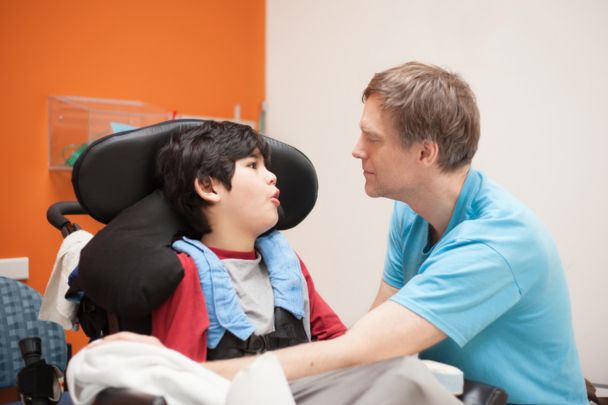
Daily life with athetoid CP can be unpredictable. Because muscle tone and movement are constantly changing, kids may be able to do something one day but struggle with it the next. Tasks that require precision, like writing or tying shoes, may be particularly frustrating.
Children may also experience:
- Social challenges if facial expressions or speech are affected
- Fatigue from the constant effort of controlling their movements
- Increased risk of falls or injury due to poor balance
However, with the right support, many children with athetoid CP can learn to adapt and thrive.
Treatment Options for Athetoid Cerebral Palsy
There is no one-size-fits-all treatment, but a multidisciplinary care plan can significantly improve a child’s independence, comfort, and ability to engage in everyday activities. At Children’s Cerebral Palsy, Dr. Siambanes leads a collaborative approach to care that may include:
Physical Therapy
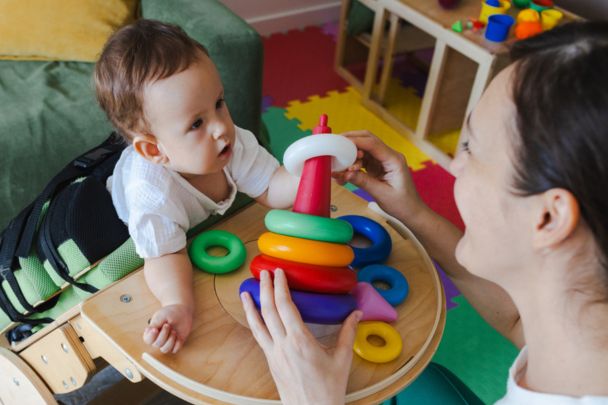
This is the cornerstone of treatment for athetoid CP. PT helps improve strength, coordination, posture, and balance through guided movement exercises and stretching.
Occupational Therapy
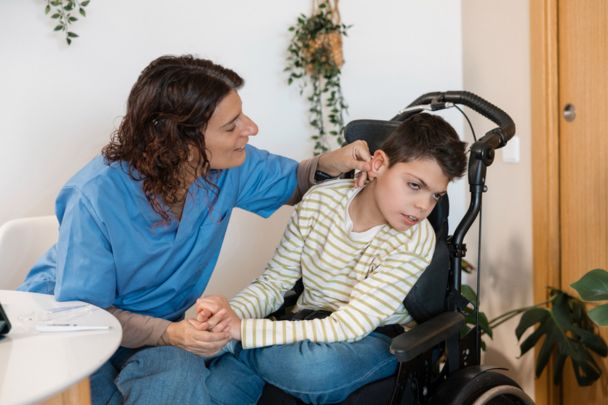
OT focuses on building skills for everyday tasks, like dressing, eating, and using assistive devices. Therapists may also work on hand control, adaptive techniques, and motor planning.
Speech and Language Therapy
If your child’s facial muscles or vocal cords are affected, speech therapy can help improve communication. Therapists may also introduce alternative communication methods, such as speech-generating devices.
Medication
While no medication can cure CP, certain drugs may help manage symptoms like excessive movements or muscle tightness. These may include muscle relaxants or medications that reduce involuntary movement.
Orthopedic Support
Some children may benefit from braces, orthotics, or other mobility aids to help stabilize posture and reduce strain on joints.
Advanced Interventions
In select cases, botulinum toxin injections may be explored to manage severe movement challenges. Surgery is a less common treatment in children with athetoid CP compared to other forms of CP, but it may be appropriate in some cases.
Dr. Siambanes works closely with families to evaluate whether these options are suitable and what benefits they may bring.
Expert Cerebral Palsy Care in Tampa, Florida
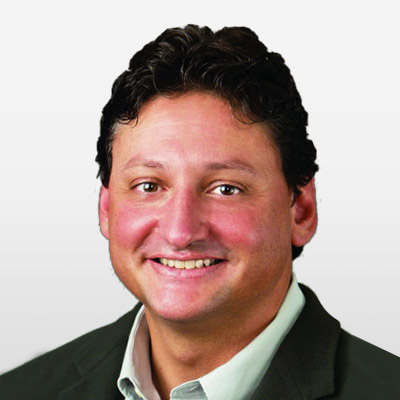
Dr. Siambanes is a board-certified orthopedic surgeon who is fellowship trained in both pediatric orthopedics and spinal deformities. He brings years of experience in pediatric orthopedic care, working hand-in-hand with therapists, specialists, and families to support children with all types of CP, including athetoid cerebral palsy.
He has performed countless procedures to improve walking and sitting tolerance, which have resolved pain and corrected deformities in children with Cerebral Palsy. His personalized care plans focus not just on movement, but on empowering your child at home, in school, and beyond.
Whether your child needs help with walking, using their hands, improving communication, or simply gaining confidence in their body, our goal is to make sure they receive comprehensive, compassionate care every step of the way.
Get the Support You Need
If your child has been diagnosed with athetoid cerebral palsy, or you’re noticing signs that something may be off, early intervention is key. The sooner we start working together, the more progress your child can make with mobility, independence, and quality of life.
Contact us today to schedule a consultation with Dr. Siambanes and start building your child’s personalized treatment plan.