
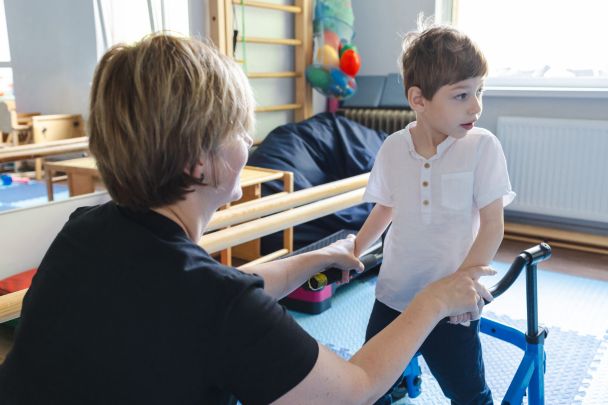
Spastic hemiplegia is a type of cerebral palsy that affects movement and muscle tone on one side of the body. For parents, learning how spastic hemiplegia impacts your child’s development and exploring the treatments available can make a huge difference in building confidence and independence.
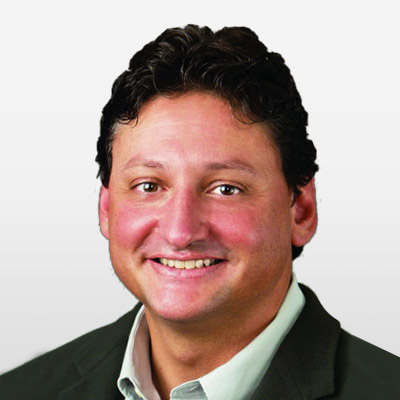
At Children’s Cerebral Palsy, Dr. David Siambanes, a board-certified orthopedic surgeon with fellowship training in pediatric orthopedics and spinal deformities, works with families to create personalized care plans for children with spastic hemiplegia. His expertise, combined with a compassionate, family-centered approach, helps children gain greater mobility, reduce pain, and thrive in daily life.
What is Spastic Hemiplegia?
The term spastic refers to the increased muscle tone or stiffness that makes movement difficult, while hemiplegia means that the condition affects just one side of the body, typically the arm and leg on the same side.
Children with spastic hemiplegia often walk with an uneven gait, have difficulty using one hand or arm, or experience stiffness that makes movements jerky or awkward. While some children have mild symptoms and walk independently, others require therapy, braces, or surgery to improve mobility. Scoliosis also isn’t uncommon in these children.
Signs and Symptoms of Spastic Hemiplegia
The signs of spastic hemiplegia can appear early in life, sometimes as soon as a baby begins reaching for toys or crawling. Common symptoms include:
- Stiffness or tightness in one side of the body (arm, hand, or leg)
- Difficulty with fine motor skills (grasping small objects, buttoning clothes)
- Walking on toes on the affected side
- Uneven gait or posture
- Weakness or smaller muscle mass on the affected side
- Limited range of motion in joints such as the ankle or wrist
Some children may also experience challenges with balance, coordination, or fatigue, as their unaffected side compensates for the weaker side.
How Spastic Hemiplegia Affects Movement
The increased muscle tone in spastic hemiplegia can cause muscles to contract involuntarily, making certain movements harder. For example, the arm may remain bent, or the foot may point downward (toe walking) due to tight calf muscles. Over time, these patterns can lead to muscle shortening, joint stiffness, and difficulty with functional tasks like walking or climbing stairs.
The good news is that with early intervention, most children with spastic hemiplegia can significantly improve their movement and develop strategies to stay active and independent.
Treatment Options for Spastic Hemiplegia
A comprehensive treatment plan for spastic hemiplegia may include physical therapy, bracing, medications, or surgical interventions. Dr. Siambanes works closely with families to identify which treatments will best support their child’s needs and goals.
Physical and Occupational Therapy
Therapy is essential for improving strength, flexibility, and coordination in children with spastic hemiplegia.
Physical therapy focuses on stretching tight muscles, improving gait, and enhancing balance.
Occupational therapy helps children develop fine motor skills and adapt to everyday activities such as writing or dressing.
Bracing and Orthotic Support
Ankle-foot orthoses (AFOs) or hand splints may be prescribed to maintain proper alignment and prevent contractures. Braces can also help children walk more efficiently by keeping the foot flat and improving balance.
Medications and Botox
Botulinum toxin (Botox) injections are often used to relax overly tight muscles on the affected side. When combined with therapy, Botox can make stretching and functional activities easier.
Casting or Serial Casting
Casting may be used to gradually stretch tight muscles, particularly in the ankle, to reduce toe walking and improve range of motion.
Surgical Options
When spasticity leads to significant muscle contractures or joint deformities, surgery may be recommended. Dr. Siambanes specializes in orthopedic procedures that can lengthen tendons, improve hip and leg alignment, and enhance walking ability.
How Dr. Siambanes Helps Children with Spastic Hemiplegia
Dr. Siambanes combines advanced orthopedic care with state-of-the-art motion analysis to pinpoint the unique challenges each child faces. As director of the Motion Analysis Center at St. Joseph’s Children’s Hospital, he uses 3-D gait assessments to evaluate walking patterns and identify the specific muscle imbalances or joint issues that contribute to difficulty with movement.
With his extensive experience in both non-surgical and surgical treatments, Dr. Siambanes has helped countless children improve their walking, sitting tolerance, and overall quality of life. His personalized approach ensures that every family receives guidance tailored to their child’s needs.
Supporting Your Child’s Independence
Living with spastic hemiplegia presents challenges, but with the right care, children can thrive. Early intervention is key. Starting therapy, bracing, or other treatments as soon as possible can prevent complications and support healthy growth and development.
Parents can also play a vital role by encouraging their child’s independence and celebrating milestones, no matter how small. Adaptive sports, recreational activities, and assistive technologies can all help children build confidence and engage fully with their peers.
If you’re seeking support for your child with spastic hemiplegia or any form of cerebral palsy, contact Children’s Cerebral Palsy to schedule a consultation with Dr. Siambanes.