
News

Gait Explained: How Doctors Analyze the Way Your Child Walks

Most parents notice something is off before a specialist ever confirms it. A child who trips more than other kids, walks on their toes past toddlerhood, or moves with an uneven rhythm that’s hard to describe but easy to see. These observations matter, and bringing them to a specialist is the right call. What happens next often involves a formal gait analysis, a process that translates the way your child walks into detailed, actionable medical information.

For children with cerebral palsy and other neurological conditions, gait is one of the most informative windows into how the brain, muscles, and joints are working together. Understanding the definition of gait, what a normal walking pattern looks like, and how doctors evaluate deviations from that pattern helps families make sense of diagnoses, treatment recommendations, and surgical decisions.

Understanding the Gait Definition and How Walking Works

What Gait Actually Means

In medical terms, the gait definition refers to the pattern and manner of walking. It encompasses the coordination of the legs, arms, trunk, and pelvis as the body moves from one place to another on foot. Gait is not simply about whether a person can walk. It is about how efficiently and safely they do it, and what that pattern reveals about the underlying function of the neuromuscular system. A gait analysis evaluates coordination, joint mobility, muscle activation, and balance all at once.

When a child’s gait deviates from what is expected for their age, those deviations are not arbitrary. Each pattern reflects a specific process occurring at the level of the brain, the spinal cord, or the muscles and bones of the lower extremities. Gait is, in many ways, a readout of neurological and musculoskeletal health.

The Phases of a Normal Gait Cycle

Every step follows a predictable sequence called the gait cycle, which begins when one foot contacts the ground and ends when that same foot contacts the ground again. Understanding this cycle is the foundation of gait analysis. A complete cycle includes two main phases:

  1. The stance phase covers approximately 60% of the gait cycle. This is the period when the foot is in contact with the ground, supporting body weight and generating forward propulsion.
  2. The swing phase covers the remaining 40%. This is when the foot lifts off the ground and moves forward in preparation for the next step.

Within these two phases, smaller events occur in sequence, including initial contact, loading response, mid-stance, terminal stance, and toe-off. When any part of this sequence is disrupted, compensations ripple through the entire cycle, shaping the movement patterns that doctors observe.

How Children’s Gait Develops and When It Raises Concern

Normal Walking Milestones

A toddler taking their first steps walks nothing like an adult. Wide stance, short steps, arms held out for balance, and a flat-footed footfall are all completely normal in early walking. By around age 3, most children begin to shift toward a more mature pattern, with a narrower base of support, heel-to-toe footfall, and a coordinated arm swing. Normal gait development continues refining through middle childhood, and most children reach a mature, adult-like walking pattern by age 7 or 8.

This timeline matters because a gait deviation that is appropriate for a two-year-old may be concerning in a five-year-old. Context and age-appropriate expectations are part of every gait evaluation.

When a Child’s Walk Warrants Evaluation

Certain patterns fall outside the range of typical development and should be brought to a specialist’s attention promptly. Persistent toe-walking past age 2 or 3, a noticeably asymmetrical gait, frequent unexplained falls, or a pattern that appears to be worsening over time are all reasons to seek evaluation. For children with cerebral palsy, gait abnormalities are often among the earliest and most visible signs of how the condition affects movement, and identifying them early creates more treatment options.

How Specialists Analyze the Way Your Child Walks

Clinical Observation and Physical Examination

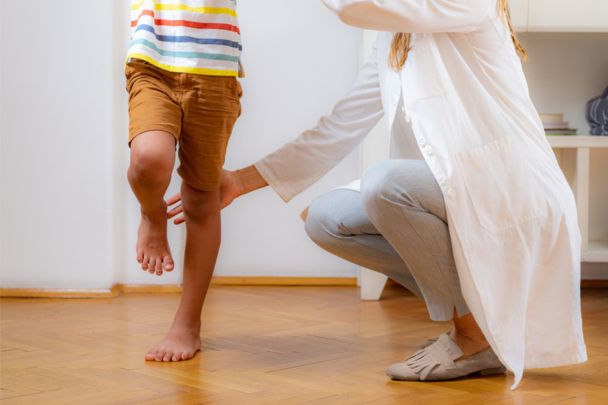
A gait analysis begins with a trained physician observing the child walk at a natural pace, sometimes on flat ground and sometimes over varying terrain or at different speeds. The clinician watches foot placement, knee and hip alignment, trunk stability, pelvic tilt, and arm movement throughout each step. A physical examination follows, assessing joint range of motion, muscle tone, strength, and any bony alignment issues in the lower extremities.

Clinical observation is a valuable first layer of assessment, but it has inherent limitations. The human eye can only capture so much in real time, particularly for fast, subtle, or compensatory movements that occur in fractions of a second. That is where advanced technology makes a substantial difference.

Motion Analysis Lab Technology

Motion analysis lab technology takes gait evaluation to a level of precision that clinical observation alone cannot achieve. Small reflective markers are placed on the child’s body at specific anatomical landmarks. A network of cameras tracks these markers as the child walks, generating a precise three-dimensional model of every joint’s movement throughout the gait cycle. Force plates embedded in the floor simultaneously measure the loads the foot exerts with each step.

Electromyography, known as EMG, records which muscles are activating and when, revealing whether muscles are firing at the right moment in the gait cycle or working against each other. This combination of data allows physicians to pinpoint exactly where the gait cycle breaks down, which muscles are overactive or underactive, and how different joints are compensating for dysfunction elsewhere. For children being considered for surgical intervention, this objective data is essential. It ensures that procedures address the actual source of the problem, not just the most visible symptom.

Common Gait Problems in Children with Cerebral Palsy

Recognizing Abnormal Gait Patterns

Children with cerebral palsy can present with several distinct gait deviations, each linked to specific neuromuscular or skeletal issues. Recognizing these patterns helps families understand what a specialist is observing during an evaluation:

  • Equinus gait (toe-walking): Caused by a tight Achilles tendon or overactive calf muscles, preventing normal heel contact with the ground at the start of the stance phase.
  • Crouch gait: Characterized by excessive bending at the hips and knees during stance, often related to hamstring tightness or weakness in the hip extensor muscles.
  • Scissor gait: Results from tightness in the hip adductors, causing the legs to cross toward midline with each step, creating a characteristic inward scissoring pattern.
  • Stiff-knee gait: Reduced knee flexion during the swing phase makes it difficult to clear the foot off the ground and significantly increases the risk of tripping.
  • Trendelenburg gait: A visible drop of the pelvis to one side during the stance phase, indicating weakness in the hip abductor muscles on the weight-bearing side.

How Gait Analysis Shapes Treatment Decisions

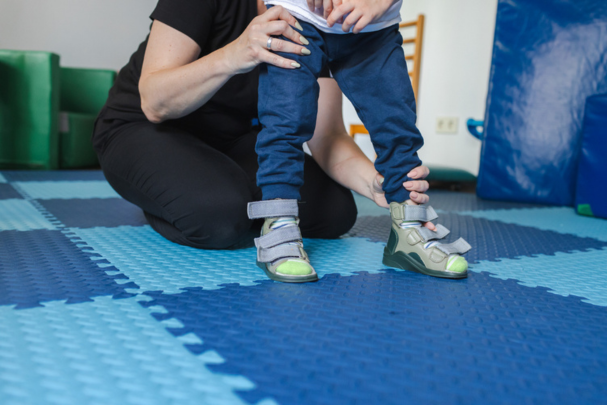
Understanding a child’s specific gait pattern directly guides every level of treatment. Physical therapy programs are built around the precise movement deficits identified during evaluation. Orthotic devices, including ankle-foot orthoses, are prescribed to address specific joint alignment problems and improve foot clearance. When surgery enters the conversation, gait analysis data inform decisions about which muscle-lengthening procedures or tendon transfers are most likely to yield meaningful functional gains.

The goal of gait-guided treatment is not to make a child’s walking pattern look a certain way from the outside. The goal is to help them walk in a manner that is efficient, sustainable, and as comfortable as possible given their specific neurological and physical circumstances.

Take the Next Step Toward Answers

If something about the way your child walks seems off, trusting that instinct is worth it. Early evaluation leads to earlier intervention, and earlier intervention consistently leads to better outcomes for children with cerebral palsy and related movement disorders. A specialist with experience in pediatric gait disorders can determine whether what you are observing falls within the range of normal development or warrants closer attention and a formal gait analysis.

Located in Tampa, Florida, Children’s Cerebral Palsy serves families throughout the Tampa Bay area and across Florida. Dr. Siambanes and his team offer comprehensive gait evaluations and motion analysis assessments for children with cerebral palsy and related movement disorders. Contact us to schedule a consultation and learn how a thorough gait analysis can guide your child’s care.
Gait Explained: How Doctors Analyze the Way Your Child Walks
Read More

What Is Ataxic Gait and Why Does It Make Walking So Hard?

Most parents notice something is off before they have a name for it. Their child trips more often than other kids, walks with their feet unusually wide apart, or loses their balance on surfaces that don’t trouble other children. When a doctor finally puts a name to it, that name is often ataxic gait.

Understanding what ataxic gait is, why it happens, and what can be done about it helps families move from confusion to action. For children with ataxic cerebral palsy, recognizing these walking challenges early can make a real difference in treatment and progress.

What Is Ataxic Gait?

Ataxic gait is an unsteady, uncoordinated walking pattern caused by damage to the cerebellum, the part of the brain that controls balance, timing, and precise movement. The cerebellum acts like the brain’s GPS for movement, constantly sending signals to keep the body upright and on track. When it isn’t working properly, those signals don’t arrive in the right order or with the right force, so the body struggles to stay balanced and move smoothly.

The word “ataxia” comes from the Greek for “without order,” which describes the movement well. Steps may vary in length and timing. The child may sway or lurch slightly with each one. Walking looks unsteady, and it often is.

Why Children Walk with Their Feet Wide Apart

Children with ataxic gait typically walk with their feet set wider apart than normal. This wider stance is the brain’s way of compensating for poor balance, essentially building a broader base of support to reduce the risk of falling. Even so, the walking still looks unsteady.

The cerebellum controls something called proprioception, the body’s ability to sense where its limbs are in space without looking at them. When that system isn’t working well, the body can’t make the small, constant adjustments that normal walking requires. Every step becomes a balancing act, and that takes real effort.

This is why children with ataxic gait often tire more quickly than their peers. Walking isn’t automatic for them. It requires active focus, and that’s physically and mentally exhausting over time.

Ataxic Gait and Cerebral Palsy

Ataxic cerebral palsy is the least common form of CP, accounting for roughly 3.8% of all cases. It develops when the cerebellum is damaged during brain development, typically before, during, or shortly after birth. While other forms of CP often involve stiff muscles or uncontrolled movements, ataxic CP is primarily a coordination problem. The muscles themselves may be normal, but they don’t receive the precise timing signals they need to work together.

The result is an ataxic gait, along with other coordination challenges affecting the whole body.

It Affects More Than Just Walking

Ataxic gait is the most visible sign, but it’s part of a bigger picture. Children with ataxic CP often struggle with:

  • Reaching for objects accurately, frequently overshooting or undershooting
  • Tasks that need both hands working together, like clapping or buttoning a shirt
  • Tremors during purposeful movements, where the hand shakes most when it’s trying to do something precise
  • Activities that involve judging distance or depth, such as stepping off a curb or catching a ball
  • Clear speech, because the same coordination problems that affect walking can affect the muscles used for talking

Each of these challenges connects back to the same source: a cerebellum that isn’t sending the right signals at the right time.

Why Ataxic Gait Is Hard to Treat

Unlike muscle tightness, which can be addressed through stretching, therapy, or, in some cases, surgery, ataxic gait comes from the brain’s signaling process. The damage to the cerebellum itself cannot be reversed. That makes treatment more complex because the goal isn’t to fix a single tight structure, but to help the brain and body build new movement patterns.

The good news is that children’s brains are remarkably adaptable. This quality, known as neuroplasticity, allows the nervous system to develop new pathways and workarounds when the primary ones aren’t working well. Early, consistent therapy takes advantage of this adaptability, especially in young children whose brains are still developing rapidly.

How Therapy Helps Children with Ataxic Gait

Physical therapy is the main treatment for ataxic gait in children with cerebral palsy. Therapists use specific methods designed to improve balance, coordination, and the efficiency of the child’s movement.

Balance training is central to this work. Therapists guide children through activities on different surfaces, including foam pads, wobble boards, and uneven ground, to challenge the balance system in a safe, controlled way. Over time, these challenges build the body’s ability to respond to instability more quickly and with more confidence.

Gait training focuses on the walking pattern itself. Treadmill work, parallel bar exercises, and guided walking practice help children develop more consistent movement. The goal isn’t a “normal” gait but one that works well for that child and reduces the risk of falls. You can read more about the range of mobility challenges children with CP face and how they’re addressed.

Occupational therapy targets the coordination challenges that affect daily life beyond walking, from handwriting and self-care tasks to the fine motor skills needed in school. For children whose speech is affected, speech therapy works on the oral coordination needed for clear communication.

Assistive devices such as ankle-foot orthoses (AFOs) can provide additional stability while walking, and weighted tools can reduce tremors during fine motor tasks.

What Families Can Do

Progress with ataxic gait comes from consistency. Therapy sessions build a foundation, but the repetition that drives lasting change often happens at home, woven into daily routines. Simple activities, like walking on different textures, practicing reaching games, or working on balance during play, reinforce what therapists are building in clinical sessions.

Early intervention matters, too. The CDC emphasizes that the earlier a child begins targeted treatment, the more the brain can develop the compensation strategies that make a lasting difference. If your child also shows signs of other co-occurring conditions, a broader evaluation is worth pursuing. Research shows that children with CP are nearly seven times more likely to also receive an autism diagnosis, so a full picture of your child’s needs leads to a better care plan.

When coordination and balance challenges are more severe, surgical options may also be part of the conversation. Cerebral palsy surgery can address secondary issues, such as hip problems or muscle contractures that develop over time and make movement even harder.

Located in Tampa, Florida, Children’s Cerebral Palsy serves families throughout the Tampa Bay area and across Florida. Dr. Siambanes and his team offer thorough evaluations and individualized treatment planning to help children with ataxic gait move with greater confidence and independence. Contact us to schedule a consultation.

What Is Ataxic Gait and Why Does It Make Walking So Hard?
Read More

Cerebral Palsy and Autism: Understanding the Connection and Supporting Your Child

A cerebral palsy diagnosis rarely comes alone. Many children with CP also deal with seizures, vision problems, or speech delays. One of the most common co-occurring conditions is autism spectrum disorder (ASD), yet many families don’t learn about this connection until years after their child’s initial diagnosis.

A study published in Developmental Medicine and Child Neurology found that 6.9% of children with CP also have autism, compared to about 1% of children in the general population. That means children with CP are nearly seven times more likely to receive an autism diagnosis. Knowing what to look for and acting early can open the door to better treatment and a better quality of life for your child.

What Are Cerebral Palsy and Autism?

Cerebral palsy is caused by damage to the developing brain, usually before, during, or shortly after birth. It affects movement and muscle control. Depending on the type, CP can cause stiff muscles, weakness, poor balance, or difficulty walking.

Autism spectrum disorder affects how a person communicates, connects with others, and experiences the world. The word “spectrum” reflects how differently it shows up from person to person. Some children have mild challenges, while others need significant daily support. According to the Centers for Disease Control and Prevention, about 1 in 31 children in the U.S. is diagnosed with autism.

Both conditions involve disruptions in how the brain develops. That shared foundation helps explain why they so often occur together.

Why Do These Two Conditions Occur Together?

The connection between cerebral palsy and autism isn’t random. Many of the same risk factors, such as premature birth, low birth weight, oxygen deprivation during delivery, and prenatal infections, are associated with both conditions. When the developing brain is affected early, multiple systems can be impacted at once.

The type of CP matters, too. The CDC-funded ADDM Network study found that children with non-spastic CP — especially hypotonic CP, which involves unusually low muscle tone — had an autism co-occurrence rate of 18.4%. Among children with spastic CP, the most common type, the rate was 6%. This suggests that certain forms of CP share more neurological overlap with autism than others.

How Each Condition Affects the Other

When cerebral palsy and autism are both present, they can make each other harder to recognize and treat. A child with CP may have trouble moving, speaking clearly, or making eye contact,  all of which can look like autism symptoms. On the flip side, a child with autism may have sensory sensitivities that make CP-related discomfort feel more intense and harder to manage.

This overlap often delays diagnosis. A child’s communication problems might be chalked up entirely to CP, meaning an autism evaluation never happens. Or a child identified with autism might not get the physical therapy they need because the motor symptoms of CP go unnoticed. According to the Cerebral Palsy Guide, telling these two conditions apart is one of the hardest parts of caring for children who have both, and it takes specialists experienced with each.

Recognizing the Signs

Catching cerebral palsy and autism early gives children the best shot at effective treatment. Here’s what to watch for with each.

Early Signs of Cerebral Palsy

Cerebral palsy symptoms usually show up in the first one to two years of life and focus on movement and muscle control. Common signs include:

  • Muscles that feel unusually stiff or floppy
  • Missing motor milestones like rolling over, sitting up, or walking
  • Awkward posture or uneven movement on one side of the body
  • Trouble with coordination and frequent falls
  • Difficulty feeding or swallowing as an infant

Early Signs of Autism

Autism signs often become clearer between 18 months and 3 years, when language and social skills start developing more rapidly. Watch for:

  • Not responding when called by name
  • Delayed or absent speech, or speech that sounds unusual
  • Little eye contact or interest in interacting with others
  • Preferring to play alone rather than with other children
  • Repetitive movements like hand-flapping, rocking, or spinning objects
  • Strong reactions to sounds, textures, lights, or other sensory input

If you notice signs from either list, bring them up with your child’s pediatrician right away. Early evaluation leads to earlier treatment, and earlier treatment leads to better outcomes.

Getting an Accurate Diagnosis

Diagnosing cerebral palsy and autism together requires a team approach. A pediatric neurologist, developmental pediatrician, psychologist, speech therapist, and occupational therapist each look at different parts of the picture. Brain imaging, like an MRI, can identify the neurological basis of CP, while behavioral assessments and developmental screenings evaluate for autism.

It’s important to know that having cerebral palsy does not automatically mean a child has autism, and vice versa. Each condition needs its own evaluation. The goal is a clear, complete view of your child’s specific challenges because the right treatment plan depends on understanding both conditions, not just one.

Treatment for Children with Cerebral Palsy and Autism

When a child has both cerebral palsy and autism, treatment needs to address both at the same time. A coordinated team of therapists, along with medical support when needed, gives children the strongest foundation for growth.

Physical Therapy

Physical therapy builds strength, balance, and coordination. Therapists use targeted exercises, gait training, and balance work to help children move more safely and independently in their daily lives.

Occupational Therapy

Occupational therapists focus on everyday skills like dressing, eating, and writing. For children with autism, sensory integration techniques help reduce sensitivities that get in the way. Adaptive tools like weighted utensils or specialized keyboards fill in the gaps where standard approaches fall short.

Speech and Language Therapy

CP can affect the muscles used for speaking, while autism affects the social side of communication. Speech therapists work on both. When verbal communication is very limited, they introduce alternative methods such as picture boards, communication apps, or speech-generating devices so every child has a way to be heard.

Behavioral Therapy

Applied behavior analysis (ABA) and similar approaches help children with autism build social skills and manage difficult behaviors. When CP is also present, behavioral therapists work alongside physical and occupational therapists so that goals support rather than conflict with one another.

Medications and Surgery

Some children benefit from medication to manage seizures, which affect about 41% of children with CP, as well as anxiety or behavioral challenges. For children with significant mobility problems, surgical procedures like muscle lengthening or tendon transfers can improve movement and make therapy more effective.

Your Next Step

If your child has cerebral palsy and you’re seeing signs of autism or the other way around, ask your pediatrician for a full evaluation by a team experienced in both conditions. Don’t wait for a referral to come to you. The earlier both conditions are identified and treated, the better the results.

Children with cerebral palsy and autism face real challenges, but with the right support, they can make meaningful progress. The key is a care plan that sees the whole child, not just one diagnosis at a time.

Located in Tampa, Florida, Children’s Cerebral Palsy serves families throughout the Tampa Bay area and across Florida. Dr. Siambanes and his team provide comprehensive evaluations for children with cerebral palsy and co-occurring conditions, including autism. Contact us to schedule a consultation and find out how we can help your child thrive.

Cerebral Palsy and Autism: Understanding the Connection and Supporting Your Child
Read More

New Research: Sleep and Development in Cerebral Palsy

Your child works hard every day in physical therapy, occupational therapy, and medical appointments. You’re doing everything right to support their development. But what if poor sleep is quietly undermining all that progress?

A new 2026 study published in Pediatric Research makes a compelling case that sleep disturbances in children with cerebral palsy deserve far more attention than they currently receive. The researchers found that despite sleep’s critical role in child development, we’re barely scratching the surface of understanding how sleep problems affect kids with CP.

Sleep Problems Are More Common in Children with CP

Children with cerebral palsy experience sleep difficulties at much higher rates than other kids. The most common issues include trouble falling asleep and staying asleep, sleep-related breathing disorders (ranging from snoring to obstructive sleep apnea), and excessive daytime sleepiness.

These aren’t just minor inconveniences. Sleep plays a critical role in every stage of child development, supporting physical growth, cognitive function, and emotional regulation. When sleep is disrupted night after night, it creates a cascade of challenges that can further hinder developmental progress in children already facing significant obstacles.

Pain and Position Matter

For children with cerebral palsy, sleep problems often have physical causes that require medical attention:

  • Musculoskeletal pain from contractures or positioning can keep children awake
  • Breathing difficulties from altered airway tone or abnormal respiratory control
  • Movement limitations that prevent comfortable position changes during the night
  • Orthotic devices that may cause discomfort when worn overnight

This is where specialized orthopedic care becomes essential. At Children’s Cerebral Palsy in Tampa, FL, Dr. Siambanes evaluates how muscle tightness, joint positioning, and skeletal alignment affect not just daytime function but nighttime comfort. Sometimes addressing the underlying orthopedic issues through surgery or other interventions can dramatically improve sleep quality.

The Severity Connection

Children with more severe forms of cerebral palsy face higher risks for sleep problems, particularly those with:

  • Active epilepsy
  • Intellectual disability
  • Sensory impairments
  • Significant motor involvement

The researchers point out that these children often have multiple factors contributing to sleep difficulties, from intrinsic issues like pain and breathing problems to external factors like complex medication schedules and necessary medical equipment.

How Orthopedic Care Connects to Better Sleep

When children with cerebral palsy have musculoskeletal pain from hip displacement, severe contractures, or spinal deformities, comfortable sleep becomes nearly impossible. Surgical interventions that improve alignment and reduce pain may lead to dramatic improvements in sleep quality as a secondary benefit.

At Children’s Cerebral Palsy, Dr. Siambanes considers the full impact of orthopedic issues on daily life, including sleep. Through comprehensive evaluation using Motion Analysis Lab technology, the team can identify specific musculoskeletal problems that may be contributing to nighttime discomfort and sleep disruption.

Sometimes correcting a hip deformity or releasing tight muscles doesn’t just improve walking. It gives a child their first comfortable night’s sleep in months.

Get Comprehensive Care for Children’s Cerebral Palsy in Tampa Bay

Dr. Siambanes provides orthopedic evaluation for children with cerebral palsy, addressing not just mobility concerns but all aspects of physical well-being that affect quality of life. When musculoskeletal issues contribute to sleep problems, targeted surgical or non-surgical interventions can make a meaningful difference.

Request a consultation today to learn how comprehensive care can support your child’s development and quality of life.

New Research: Sleep and Development in Cerebral Palsy
Read More

Research Update: Increased Prevalence of Cerebral Palsy in Extremely Preterm Infants

Recent research from the National Institutes of Health brings important news for families of extremely premature babies. A major study tracking nearly 7,000 children across the United States found that cerebral palsy diagnoses are rising among infants born before 27 weeks of pregnancy. While this might initially sound concerning, the findings actually reflect significant progress in neonatal care.

A Look at the Study

The research, conducted by Sara B. DeMauro, M.D., at the Children’s Hospital of Philadelphia and colleagues at the Eunice Kennedy Shriver National Institute of Child Health and Human Development Neonatal Research Network, tracked children at 25 academic research centers nationwide from 2008 to 2019. The study focused specifically on babies born before 27 weeks of pregnancy, a group considered extremely preterm. Researchers evaluated these children when they reached 18 to 26 months of age, corrected for prematurity.

The scope of this research is significant. With data from centers across the country and a diverse population that reflects national demographics, the findings give us a clear picture of trends in cerebral palsy rates among extremely preterm infants.

The Numbers Tell a Story

Of the 6,927 children included in the study, 1,303 (18.8%) were diagnosed with cerebral palsy. From 2008 through 2019, the odds of cerebral palsy in this population increased by an average of 11% per year.

The research findings also revealed that an additional 1,125 children (16.2%) had suspected motor abnormalities, 481 (6.9%) had hypotonia (low muscle tone), and 301 (4.3%) had other abnormal neurologic findings. Just 3,717 children (53.7%) showed normal neurological examinations and normal neurologic function.

Understanding Severity Levels

The research didn’t just count cases of cerebral palsy. It also looked at how severely the condition affected these children. The results offer some encouraging news. Among children diagnosed with cerebral palsy, 64% had level I, which is the least severe form. These children typically have relatively minor movement challenges.

About 22% had level II or III cerebral palsy, representing moderate involvement, while 14% had level IV or V cerebral palsy, the most severe forms.

Why Are Numbers Increasing?

Here’s where the news becomes more positive than it might initially appear. The researchers believe that improvements in medical care are allowing more extremely premature infants to survive, including those who face the highest risk for cerebral palsy.

Think about it this way. Decades ago, many babies born this early simply didn’t survive. As neonatal intensive care has advanced dramatically, more of these vulnerable infants are making it through those critical early weeks and months. Some of these survivors face neurological challenges like cerebral palsy, but they’re alive and able to receive treatment and support.

Improved diagnosis of cerebral palsy over time may also help explain the findings, according to the NIH study.

Additional Risk Factors Identified

The study also identified several health complications that increased the risk of cerebral palsy in extremely preterm infants. Higher risk was associated with lower birth weight, late onset sepsis (a blood infection occurring after delivery), higher grades of intraventricular hemorrhage (bleeding in the ventricles, or cavities, in the brain), periventricular leukomalacia (death of small areas of the brain surrounding the ventricles), and grade 3 bronchopulmonary dysplasia (lung disease of prematurity that required a ventilator at 36 weeks postmenstrual age).

Understanding these risk factors helps medical teams identify which babies need the closest monitoring and earliest intervention.

Better Diagnosis May Play a Role

Another factor that might explain some of the increase is improved diagnosis of cerebral palsy itself. Cerebral palsy isn’t identified through a single test. Instead, doctors monitor children’s development over time, watching for delays and movement difficulties.

As our understanding of cerebral palsy has grown, healthcare providers have become better at recognizing signs of the condition, particularly milder forms that might have been missed in the past. Earlier and more accurate diagnosis means children can start receiving therapies and interventions sooner.

What This Means for Families

If you’re the parent of an extremely premature baby, these statistics might feel overwhelming. It’s important to remember that this research reflects broad population trends, not individual outcomes. Many extremely preterm babies develop typically, and even among those diagnosed with cerebral palsy, the majority have milder forms of the condition.

The study also highlights how far neonatal medicine has come. According to the research analysis, cerebral palsy is estimated to occur in up to 0.3% of all births, but is 70 times more common among infants weighing less than 3.3 pounds at birth. Babies who wouldn’t have survived 20 or 30 years ago are not only living, but many are thriving.

The Value of Early Monitoring

These findings underscore the importance of careful developmental monitoring for extremely preterm infants. Regular check-ups that assess motor skills, muscle tone, and developmental milestones allow for early identification of potential issues.

When cerebral palsy is identified early, intervention can begin immediately. Physical therapy, occupational therapy, and other treatments work best when started young, taking advantage of the brain’s remarkable ability to form new connections and adapt during early childhood.

Looking Forward

The researchers who conducted the NIH study emphasized the need for additional studies of children with cerebral palsy as they age. Understanding long-term outcomes will help guide treatment approaches and provide families with realistic expectations about their child’s future.

Research continues into preventing preterm birth and minimizing complications when early delivery is unavoidable. Scientists are also working to understand which interventions most effectively support extremely premature babies during those critical first weeks of life.

Expert Care in Tampa

At Children’s Cerebral Palsy, Dr. Siambanes understands the unique challenges faced by children born extremely prematurely. Whether your child has been diagnosed with cerebral palsy or you have concerns about their development following a premature birth, comprehensive evaluation can provide answers and guide treatment decisions.

Through sophisticated Motion Analysis Lab technology, our team provides objective assessment of movement patterns and identifies specific factors affecting your child’s mobility. This detailed evaluation ensures that any interventions recommended are tailored to your child’s individual needs.

Get Specialized Support

If your child was born prematurely and you have concerns about their motor development, early evaluation makes a difference. Dr. Siambanes offers comprehensive assessments for children at all stages of development, from infancy through adolescence.

Contact us to schedule a consultation. Whether you’re seeking a diagnosis, exploring treatment options, or looking for specialized surgical expertise, our team provides compassionate care grounded in the latest research. Reach out today to learn how we can support your child’s development and help them achieve their full potential.

Research Update: Increased Prevalence of Cerebral Palsy in Extremely Preterm Infants
Read More

Common Mobility Limitations in Kids with Cerebral Palsy

Every child with cerebral palsy experiences movement differently. Some run and play with only minor coordination issues, while others need significant support for even basic movements. Understanding the specific mobility limitations your child faces is the first step toward finding the right interventions to help them thrive.

A Look at Cerebral Palsy and Movement

Cerebral palsy affects the brain’s ability to control muscles and coordinate movement. Because the condition can impact different areas of the brain to varying degrees, mobility limitations range widely from child to child. What remains constant, however, is that these limitations stem from the brain’s communication challenges with the muscles, not from problems with the muscles themselves.

This distinction matters because it shapes how we approach treatment. We’re not dealing with weak muscles that simply need strengthening, but rather with muscles that aren’t receiving clear instructions from the brain. This fundamental understanding guides everything from therapy approaches to surgical interventions.

Walking Difficulties and Gait Problems

Walking challenges represent some of the most visible mobility limitations in children with cerebral palsy. The specific pattern of difficulty depends on which muscles are affected and how severely.

Toe Walking and Equinus Gait

Many children with cerebral palsy walk on their toes because tight calf muscles prevent their heels from reaching the ground. This toe-walking pattern, called equinus gait, affects balance and makes walking more energy-intensive than it should be.

While occasional toe-walking is normal in toddlers just learning to walk, persistent toe-walking in children with cerebral palsy results from genuine muscle tightness rather than habit. The tightness often worsens over time as muscles fail to grow at the same rate as bones during childhood growth spurts.

Crouched Gait

Some children walk in a perpetually crouched position, with their hips and knees bent more than normal. This crouched gait pattern typically results from tight hamstring muscles combined with weak hip extensors. Walking this way requires tremendous energy and can lead to pain in the knees and hips over time.

Crouched gait often develops gradually as children age. A child who initially walked with a relatively normal pattern may progressively crouch more deeply as they grow, eventually requiring intervention to prevent further deterioration.

Scissoring Gait

Scissoring occurs when tight hip adductor muscles pull the legs toward the midline, causing the knees to cross or “scissor” with each step. This pattern makes walking unstable and increases the risk of falls. Severe scissoring can make it nearly impossible to walk independently.

Children with spastic diplegia (affecting both legs) commonly develop this pattern. The constant crossing action also puts abnormal stress on the hip joints, potentially contributing to hip displacement problems down the line.

Stiff-Legged Walking

When leg muscles remain too tight to bend properly during walking, children develop a stiff-legged gait. Each leg swings forward relatively straight, creating an awkward, inefficient walking pattern. This limitation particularly affects children with spastic cerebral palsy, where muscle tightness is the dominant issue.

Balance and Coordination Challenges

Beyond specific walking patterns, many children with cerebral palsy struggle with balance and coordination that affects all aspects of mobility.

Poor Balance Control

The brain systems that maintain balance don’t work properly in cerebral palsy, making it difficult for children to stay upright, especially on uneven surfaces or when moving quickly. This poor balance increases fall risk and may cause children to avoid activities they might otherwise enjoy.

Children with ataxic cerebral palsy experience particularly significant balance problems due to cerebellum damage. Even relatively mild cerebral palsy can involve balance challenges that limit participation in playground activities and sports.

Depth Perception and Spatial Awareness Issues

Some children with cerebral palsy have difficulty judging distances and understanding where their body is in space. This affects their ability to navigate obstacles, climb stairs safely, or participate in ball sports where tracking moving objects is essential.

These perceptual challenges compound physical limitations, making activities seem more difficult than muscle tightness alone would predict.

Range of Motion Limitations

Restricted range of motion affects what movements children can perform and how efficiently they can move.

Joint Contractures

When muscles remain tight for extended periods, the joints they cross can develop contractures, which is permanent shortening that limits how far the joint can move. Contractures commonly develop in the ankles, knees, hips, elbows, and wrists.

Unlike simple muscle tightness that can be stretched, established contractures involve changes to the joint capsule, ligaments, and other soft tissues. Once present, contractures typically require more aggressive intervention to correct.

Hip Flexion Limitations

Tight hip flexor muscles prevent children from fully straightening their hips, affecting standing posture and making efficient walking impossible. This limitation often accompanies crouched gait and worsens progressively if not addressed.

Ankle Dorsiflexion Restrictions

The inability to pull the foot up toward the shin (dorsiflexion) creates multiple problems. Children can’t position their feet flat on the ground, can’t clear their toes during the swing phase of walking, and struggle with balance during standing.

This limitation stems from tight calf muscles (gastrocnemius and soleus) and represents one of the most common mobility restrictions in cerebral palsy.

Upper Extremity Mobility Problems

While discussions of cerebral palsy often focus on walking, upper extremity limitations significantly impact independence and quality of life.

Hand and Wrist Positioning

Children with hemiplegic cerebral palsy (affecting one side) or quadriplegic cerebral palsy (affecting all four limbs) often have difficulty opening their hands, positioning their wrists, and coordinating finger movements. A tightly fisted hand or flexed wrist position limits the ability to grasp objects, write, or perform self-care tasks.

These positioning problems result from an imbalance between flexor muscles (which close the hand) and extensor muscles (which open it). The flexors overpower the extensors, pulling the hand into a closed, flexed position.

Reaching and Manipulation Difficulties

Even when children can open their hands somewhat, they may struggle with controlled reaching, accurate placement, and manipulation of objects. These coordination issues affect everything from feeding themselves to playing with toys to completing schoolwork.

Bilateral Coordination Problems

Many children with cerebral palsy have difficulty using both hands together in coordinated fashion. This affects activities like tying shoes, cutting with scissors, or catching a ball. All of these tasks require precise timing and coordination between both sides of the body.

Sitting and Postural Control Issues

Independent sitting represents a crucial developmental milestone that some children with cerebral palsy struggle to achieve.

Trunk Control Limitations

Weak or uncoordinated trunk muscles make it difficult to sit upright without support. Children may lean heavily to one side, slouch forward, or require constant repositioning to maintain a seated position.

Poor trunk control affects everything from eating to participating in classroom activities to social interaction, as children can’t position themselves optimally for various tasks.

Pelvic Positioning Problems

The pelvis serves as the foundation for sitting posture. When pelvic muscles are tight or weak, children may develop a posterior pelvic tilt (sacral sitting) that rounds the spine or an anterior tilt that creates excessive lower back arch.

These positioning problems make comfortable, functional sitting difficult and can contribute to pressure sores in children who spend significant time seated.

Standing and Weight-Bearing Challenges

The ability to stand, even with support, provides important health benefits and opens opportunities for interaction and participation.

Difficulty Bearing Weight Through Legs

Some children with cerebral palsy have trouble accepting weight through their legs when placed in standing. This may result from severe muscle tightness, leg length discrepancies, hip positioning problems, or simply lack of experience with weight-bearing.

Without the ability to bear weight, children miss out on the bone-strengthening benefits of standing and may develop osteoporosis earlier than typical.

Hip Displacement and Dislocation

Progressive hip displacement represents one of the most serious mobility-limiting complications of cerebral palsy. Tight muscles pull the thighbone out of the hip socket gradually over time. Once displaced or dislocated, the hip causes pain, limits positioning options, and makes care more difficult.

Early detection through monitoring and timely intervention can often prevent progression to complete dislocation, which is why regular hip surveillance is so important for children with limited mobility.

Spasticity and Its Impact on Movement

Spasticity (velocity-dependent muscle tightness) affects the majority of children with cerebral palsy and limits mobility in complex ways.

Increased Muscle Tone

When muscles are spastic, they resist being moved quickly. This creates a catch or sudden increase in resistance during rapid movement attempts. The faster someone tries to move the limb, the more resistance the muscles provide.

This phenomenon makes quick, coordinated movements nearly impossible and causes muscles to tire rapidly from their constant state of overactivity.

Clonus and Muscle Spasms

Some children experience clonus (rhythmic, involuntary muscle contractions) or sudden spasms that temporarily worsen tightness. These episodes can be painful and interfere with sleep, comfort, and attempted movements.

Environmental factors like illness, pain, or stress often worsen spasticity, creating variable mobility that fluctuates from day to day.

Energy Expenditure and Fatigue

Moving with cerebral palsy requires far more energy than typical movement patterns.

Increased Energy Cost of Walking

Children with cerebral palsy may use 50 to 100 percent more energy to walk the same distance as typically developing children. This enormous energy demand leads to early fatigue and limits how far children can walk before needing rest.

The energy cost varies with the severity of involvement and the specific gait pattern. More efficient gait patterns (even if they look different from typical walking) use less energy than severely impaired patterns.

Activity Limitations Due to Fatigue

Beyond the immediate tiredness from walking, the overall energy demands of moving through daily activities with cerebral palsy can be exhausting. Children may have the physical capability to do something but lack the endurance to sustain participation.

This fatigue factor means that improving movement efficiency (whether through therapy, bracing, or surgery) can dramatically impact functional participation even without creating perfect movement patterns.

Addressing Mobility Limitations Comprehensively

At Children’s Cerebral Palsy, Dr. Siambanes takes a comprehensive approach to evaluating how cerebral palsy affects each child’s movement.

Through sophisticated Motion Analysis Lab technology, the team can objectively measure gait patterns, muscle activity, and joint function. This detailed assessment identifies the specific factors limiting your child’s mobility and guides treatment decisions.

The goal isn’t to achieve “normal” movement but to optimize your child’s functional abilities, reduce pain, and improve their capacity to participate in activities they enjoy. Sometimes therapy and bracing accomplish these goals. Other times, surgical intervention provides the breakthrough needed for significant improvement.

Get Expert Evaluation in Tampa, Florida

If your child experiences any of these mobility limitations, a specialized evaluation can help you understand their specific challenges and available solutions. Dr. David Siambanes offers comprehensive assessments that identify not just what limitations exist, but why they exist and how to address them effectively.

Contact us to schedule a consultation today.

Common Mobility Limitations in Kids with Cerebral Palsy
Read More

Types of Cerebral Palsy Surgery for Mobility

Not every child with cerebral palsy requires surgery, but for many, surgical intervention becomes an important part of their treatment journey. Cerebral palsy surgery is typically considered when muscle tightness, bone deformities, or joint problems significantly impact a child’s mobility, comfort, or quality of life.

The decision to pursue surgery isn’t made lightly. It’s a collaborative process involving parents, the child (when appropriate), therapists, and specialized surgeons who understand the unique needs of children with cerebral palsy. The goal is always the same: to improve function, reduce pain, and help children participate more fully in daily activities.

Soft Tissue Surgery for Cerebral Palsy

Soft tissue procedures address the muscles, tendons, and ligaments that have become tight or shortened due to cerebral palsy. These surgeries can dramatically improve a child’s ability to move more naturally and comfortably.

Muscle Lengthening Procedures

When muscles remain contracted for extended periods, they can become permanently shortened, limiting movement and causing discomfort. Muscle lengthening procedures carefully extend these tight muscles to improve range of motion. Common areas treated include the hamstrings, hip adductors, and calf muscles.

These procedures allow children to straighten their legs more fully, improve their walking pattern, and reduce the scissoring gait that many children with spastic cerebral palsy experience. The surgery is typically performed through small incisions, and recovery involves a period of casting followed by intensive physical therapy to maintain the gains achieved.

Tendon Transfer Surgery

Sometimes, muscles pull in the wrong direction due to cerebral palsy, creating movement problems that therapy can’t fully address. Tendon transfer surgery repositions tendons to restore more balanced muscle function. This approach is particularly effective for foot and ankle deformities, wrist positioning problems, and certain shoulder issues.

By rerouting a tendon to a new attachment point, surgeons can improve the mechanical advantage of functioning muscles and reduce the pull of overactive ones. The result is often better control, improved positioning, and enhanced function for everyday activities.

Orthopedic Surgery for Cerebral Palsy

As children with cerebral palsy grow, the persistent pull of tight muscles and abnormal movement patterns can cause bones to develop improperly or joints to dislocate. Orthopedic bone surgery addresses these skeletal problems to improve alignment, stability, and function.

Hip Surgery and Hip Reconstruction

Hip problems are common in children with cerebral palsy, ranging from hip dysplasia to complete hip dislocation. These issues can cause significant pain and limit sitting, standing, and walking abilities. Hip surgery for cerebral palsy may involve several components:

  • Femoral Osteotomy: This procedure reshapes the thighbone (femur) to improve how it fits into the hip socket, promoting better alignment and stability.
  • Pelvic Osteotomy: Sometimes the hip socket itself needs to be repositioned or reshaped to better accommodate the femoral head and prevent future dislocation.
  • Soft Tissue Releases: Often combined with bone surgery, these releases address tight muscles around the hip that contribute to dislocation.

Hip reconstruction surgery can be extensive, but the results often include reduced pain, improved sitting balance, better hygiene care, and in some cases, improved walking ability.

Femoral Derotation Osteotomy

Many children with cerebral palsy develop excessive inward rotation of the thighbone, causing the knees and feet to turn inward during walking. Femoral derotation osteotomy corrects this rotation by cutting the femur, rotating it to a more normal position, and securing it with plates and screws.

This procedure significantly improves walking appearance and efficiency, reduces the risk of tripping, and can prevent future joint problems caused by abnormal alignment. The surgery is often performed on both legs during the same operation when rotation affects both sides.

Foot and Ankle Surgery

Foot deformities in cerebral palsy can range from mild toe-walking to severe equinovarus (clubfoot-like) positions. Surgical options for the foot and ankle include:

  • Achilles Tendon Lengthening: Addresses a tight calf muscle that prevents the heel from touching the ground, allowing for more normal foot positioning during walking.
  • Foot Osteotomies: Reshapes bones in the foot to correct deformities and improve weight-bearing alignment.
  • Arthrodesis (Fusion): In severe cases, fusing certain joints in the foot or ankle can provide stability and reduce pain, though this limits motion in the fused area.

These procedures help children achieve a more stable, plantigrade foot position (flat on the ground), which is essential for comfortable walking and standing.

The Motion Analysis Lab Advantage

Dr. Siambanes utilizes Motion Analysis Lab technology to make precise surgical decisions. This sophisticated system captures how your child walks, analyzes muscle activity, and identifies exactly which muscles and bones are causing movement problems.

This objective data ensures that cerebral palsy surgery is targeted to address the specific issues affecting your child, avoiding unnecessary procedures and maximizing functional gains. The Motion Analysis Lab evaluation is a crucial part of surgical planning that sets specialized cerebral palsy centers apart from general orthopedic practices.

Expert Cerebral Palsy Surgery in Tampa, Florida

Dr. David Siambanes brings specialized expertise in cerebral palsy surgery to the Tampa Bay area and serves families throughout Florida. As a board-certified orthopedic surgeon with fellowship training in pediatric orthopedics and spinal deformities, he has dedicated his career to improving outcomes for children with cerebral palsy.

His work as director of the Motion Analysis Lab ensures that surgical decisions are based on objective data rather than guesswork. Additionally, as director of The Scoliosis Center at St. Joseph’s Children’s Hospital, Dr. Siambanes offers comprehensive care for children with spinal deformities related to cerebral palsy.

Schedule a Consultation for Cerebral Palsy Care

If your child might benefit from cerebral palsy surgery, or if you’re simply exploring options for improving their mobility and quality of life, Children’s Cerebral Palsy offers comprehensive evaluations to help you understand your choices.

Schedule a consultation with Dr. Siambanes today.

Types of Cerebral Palsy Surgery for Mobility
Read More

Ataxic Cerebral Palsy: Therapies to Improve Balance and Coordination

Ataxic cerebral palsy affects balance, coordination, and precise movements in children, presenting unique challenges that require specialized therapeutic approaches. As one of the less common forms of cerebral palsy, ataxic cerebral palsy demands a comprehensive understanding of its characteristics and targeted treatment strategies to help children achieve their maximum potential.

What Is Ataxic Cerebral Palsy?

Ataxic cerebral palsy is a movement disorder that primarily affects the cerebellum, the part of the brain responsible for balance, coordination, and fine motor control. Children with ataxic cerebral palsy typically experience difficulties with depth perception, balance, and coordinated movements. This form represents approximately 3.8% of all cerebral palsy cases, making it the least common type.

The condition results from damage to the cerebellum during brain development, whether before, during, or shortly after birth. Unlike other forms of cerebral palsy that may cause muscle stiffness or involuntary movements, ataxic cerebral palsy primarily manifests as unsteady, shaky movements and poor coordination.

Signs and Symptoms of Ataxic Cerebral Palsy

Children with ataxic cerebral palsy display several characteristic symptoms that distinguish this condition from other forms of cerebral palsy:

Motor Function Challenges:

  • Unsteady walking with a wide-based gait
  • Difficulty with balance and frequent falls
  • Tremors, particularly during purposeful movements
  • Poor hand-eye coordination
  • Challenges with precise movements like writing or buttoning clothes

Developmental Challenges:

  • Delayed motor milestones such as sitting, crawling, and walking
  • Difficulty with activities requiring fine motor skills
  • Problems with spatial awareness and depth perception
  • Inconsistent muscle tone that may appear normal at rest

Functional Challenges:

  • Challenges with activities of daily living
  • Difficulty participating in sports or playground activities
  • Academic challenges related to handwriting and motor tasks
  • Potential speech difficulties due to coordination issues

Physical Therapy for Ataxic Cerebral Palsy

Physical therapy serves as the cornerstone of treatment for children with ataxic cerebral palsy, focusing on improving balance, coordination, and functional mobility. A comprehensive physical therapy program addresses the specific needs of each child through targeted interventions.

Balance Training Techniques

Physical therapists employ various balance training methods, including standing on different surfaces, using balance boards, and practicing weight-shifting exercises. These activities help children develop better proprioceptive awareness and improve their ability to maintain stability during daily activities.

Coordination Exercises

Specialized exercises target hand-eye coordination, bilateral coordination, and motor planning skills. Activities might include ball games, obstacle courses, and repetitive movement patterns that help establish better motor control pathways in the brain.

Gait Training

Walking training focuses on improving the child’s gait pattern, reducing the characteristic wide-based stance, and promoting more efficient movement patterns. This may include treadmill training, parallel bar exercises, and over-ground walking practice.

Occupational Therapy Interventions

Occupational therapy plays a crucial role in helping children with ataxic cerebral palsy develop independence in daily living activities and improve fine motor coordination.

Fine Motor Skill Development

Occupational therapists work on improving hand strength, dexterity, and coordination through activities like playing with small objects, drawing, cutting with scissors, and practicing handwriting skills. These interventions help children develop the precision needed for academic and self-care tasks.

Adaptive Strategies and Equipment

When standard approaches aren’t sufficient, occupational therapists introduce adaptive equipment and strategies. This might include weighted utensils to reduce tremors, special writing tools, or computer keyboards designed for children with coordination difficulties.

Sensory Integration

Many children with ataxic cerebral palsy benefit from sensory integration techniques that help improve their body awareness and motor planning abilities. These interventions address underlying sensory processing issues that may contribute to coordination difficulties.

Speech and Language Therapy

Children with ataxic cerebral palsy may experience speech difficulties related to coordination problems affecting the muscles used for speaking. Speech and language therapy addresses these challenges through:

Articulation Training

Speech therapists work on improving the clarity and precision of speech sounds, often using exercises that strengthen oral motor muscles and improve coordination between breathing, speaking, and swallowing.

Communication Alternatives

For children with significant speech challenges, therapists may introduce alternative communication methods, including sign language, communication devices, or picture exchange systems, to ensure effective communication.

Assistive Technology and Adaptive Equipment

Modern assistive technology offers numerous solutions to help children with ataxic cerebral palsy overcome coordination and balance challenges:

Mobility Aids

Depending on the severity of balance issues, children may benefit from mobility aids such as walkers, canes, or ankle-foot orthoses (AFOs) to improve stability and prevent falls.

Computer and Learning Aids

Specialized keyboards, voice recognition software, and adaptive mouse options can help children with fine motor coordination difficulties access computers and complete academic work more effectively.

Daily Living Equipment

Adaptive tools for eating, dressing, and personal care can promote independence and reduce frustration for children struggling with coordination tasks.

Creating a Comprehensive Treatment Plan

The most effective approach to treating ataxic cerebral palsy involves a multidisciplinary team that may include physical therapists, occupational therapists, speech therapists, and specialized physicians like Dr. Siambanes. This collaborative approach ensures that all aspects of the child’s development and function are addressed.

Individualized Goal Setting

Each child’s treatment plan should be tailored to their specific needs, abilities, and family goals. Regular assessments help track progress and adjust interventions as the child grows and develops.

Family Involvement

Successful therapy outcomes depend heavily on family participation and continuation of therapeutic activities at home. Therapists work closely with families to teach strategies and exercises that can be incorporated into daily routines.

The Role of Surgical Intervention

While therapy forms the foundation of treatment for ataxic cerebral palsy, some children may benefit from surgical interventions to address specific complications or improve function. Dr. Siambanes evaluates each child individually to determine if surgical options might enhance their mobility or reduce secondary complications.

Children with ataxic cerebral palsy may develop orthopedic issues over time, including scoliosis or hip problems, which may require surgical intervention to maintain function and prevent further complications.

Long-term Outcomes for Ataxic Cerebral Palsy

With appropriate therapeutic interventions and family support, children with ataxic cerebral palsy can achieve significant improvements in balance, coordination, and independence. While the underlying brain damage cannot be reversed, the brain’s plasticity allows for the development of compensatory strategies and improved function over time.

Early intervention and consistent therapy provide the best opportunities for children to develop their maximum potential. Many children with ataxic cerebral palsy go on to participate in regular school activities, sports, and lead fulfilling, independent lives.

Expert Care for Cerebral Palsy in Tampa, Florida

At Children’s Cerebral Palsy, Dr. Siambanes understands the unique challenges faced by children with ataxic cerebral palsy and their families. Through comprehensive evaluation and collaborative treatment planning, he works to help each child achieve their highest level of function and independence.

If your child has been diagnosed with ataxic cerebral palsy or you have concerns about balance and coordination issues, contact us to schedule a consultation and learn more about treatment options available to help your child thrive.

Ataxic Cerebral Palsy: Therapies to Improve Balance and Coordination
Read More

Athetoid Cerebral Palsy: What Makes It Different and How It’s Treated

Parents of children with cerebral palsy (CP) often hear unfamiliar medical terms during the diagnosis process. One of the less common types is athetoid cerebral palsy, a condition that can affect a child’s ability to control their movements and hold their posture. Unlike spastic or hypotonic types of CP, athetoid CP presents unique challenges that may change how a child interacts with their environment.

What Is Athetoid Cerebral Palsy?

Athetoid cerebral palsy, also called dyskinetic CP, is a type of cerebral palsy marked by involuntary movements. These movements can be writhing, twisting, or jerky, and they often interfere with a child’s ability to sit still, maintain balance, or perform intentional actions like grasping a toy or feeding themselves.

Unlike spastic CP, which involves tight, stiff muscles, athetoid CP often includes a mix of fluctuating muscle tone, sometimes too tight (hypertonia) and sometimes too loose (hypotonia).

This type of cerebral palsy is linked to damage in the basal ganglia, the part of the brain responsible for regulating voluntary movement. That’s why the symptoms are so centered on motion control and coordination.

What Causes Athetoid Cerebral Palsy?

Athetoid CP usually results from brain damage that occurs before, during, or shortly after birth. This damage often involves:

  • Lack of oxygen (hypoxia) to the baby’s brain
  • Birth complications such as prolonged labor or emergency C-sections
  • Severe cases of neonatal jaundice that lead to a condition called kernicterus
  • Infections during pregnancy that affect fetal brain development
  • Premature birth, which increases the risk of brain injury

This type of cerebral palsy accounts for about 10–15% of all CP cases, making it less common than the spastic form, but still important for families to understand and identify early.

Signs and Symptoms of Athetoid Cerebral Palsy

Children with athetoid CP may show a wide range of symptoms depending on which areas of the body are affected. Common signs include:

  • Involuntary movements in the arms, legs, hands, or face
  • Muscle tone that constantly changes from tight to loose
  • Difficulty with fine motor skills (grasping, writing, holding utensils)
  • Problems with balance and coordination
  • Difficulty speaking or forming words (due to facial muscle involvement)
  • Challenges with eating or swallowing

Many children with athetoid CP have normal intelligence, but the physical movements can affect communication and daily tasks, which sometimes leads others to underestimate their cognitive abilities.

How Athetoid Cerebral Palsy Affects Daily Life

Daily life with athetoid CP can be unpredictable. Because muscle tone and movement are constantly changing, kids may be able to do something one day but struggle with it the next. Tasks that require precision, like writing or tying shoes, may be particularly frustrating.

Children may also experience:

  • Social challenges if facial expressions or speech are affected
  • Fatigue from the constant effort of controlling their movements
  • Increased risk of falls or injury due to poor balance

However, with the right support, many children with athetoid CP can learn to adapt and thrive.

Treatment Options for Athetoid Cerebral Palsy

There is no one-size-fits-all treatment, but a multidisciplinary care plan can significantly improve a child’s independence, comfort, and ability to engage in everyday activities. At Children’s Cerebral Palsy, Dr. Siambanes leads a collaborative approach to care that may include:

Physical Therapy

This is the cornerstone of treatment for athetoid CP. PT helps improve strength, coordination, posture, and balance through guided movement exercises and stretching.

Occupational Therapy

OT focuses on building skills for everyday tasks, like dressing, eating, and using assistive devices. Therapists may also work on hand control, adaptive techniques, and motor planning.

Speech and Language Therapy

If your child’s facial muscles or vocal cords are affected, speech therapy can help improve communication. Therapists may also introduce alternative communication methods, such as speech-generating devices.

Medication

While no medication can cure CP, certain drugs may help manage symptoms like excessive movements or muscle tightness. These may include muscle relaxants or medications that reduce involuntary movement.

Orthopedic Support

Some children may benefit from braces, orthotics, or other mobility aids to help stabilize posture and reduce strain on joints.

Advanced Interventions

In select cases, botulinum toxin injections may be explored to manage severe movement challenges. Surgery is a less common treatment in children with athetoid CP compared to other forms of CP, but it may be appropriate in some cases. 

Dr. Siambanes works closely with families to evaluate whether these options are suitable and what benefits they may bring.

Expert Cerebral Palsy Care in Tampa, Florida 

Dr. Siambanes is a board-certified orthopedic surgeon who is fellowship trained in both pediatric orthopedics and spinal deformities. He brings years of experience in pediatric orthopedic care, working hand-in-hand with therapists, specialists, and families to support children with all types of CP, including athetoid cerebral palsy. 

He has performed countless procedures to improve walking and sitting tolerance, which have resolved pain and corrected deformities in children with Cerebral Palsy. His personalized care plans focus not just on movement, but on empowering your child at home, in school, and beyond.

Whether your child needs help with walking, using their hands, improving communication, or simply gaining confidence in their body, our goal is to make sure they receive comprehensive, compassionate care every step of the way.

Get the Support You Need

If your child has been diagnosed with athetoid cerebral palsy, or you’re noticing signs that something may be off, early intervention is key. The sooner we start working together, the more progress your child can make with mobility, independence, and quality of life.

Contact us today to schedule a consultation with Dr. Siambanes and start building your child’s personalized treatment plan.

Athetoid Cerebral Palsy: What Makes It Different and How It’s Treated
Read More

Helping Your Child Thrive with Spastic Hemiplegia: A Parent’s Guide

Spastic hemiplegia is a type of cerebral palsy that affects movement and muscle tone on one side of the body. For parents, learning how spastic hemiplegia impacts your child’s development and exploring the treatments available can make a huge difference in building confidence and independence.

At Children’s Cerebral Palsy, Dr. David Siambanes, a board-certified orthopedic surgeon with fellowship training in pediatric orthopedics and spinal deformities, works with families to create personalized care plans for children with spastic hemiplegia. His expertise, combined with a compassionate, family-centered approach, helps children gain greater mobility, reduce pain, and thrive in daily life.

What is Spastic Hemiplegia?

The term spastic refers to the increased muscle tone or stiffness that makes movement difficult, while hemiplegia means that the condition affects just one side of the body, typically the arm and leg on the same side.

Children with spastic hemiplegia often walk with an uneven gait, have difficulty using one hand or arm, or experience stiffness that makes movements jerky or awkward. While some children have mild symptoms and walk independently, others require therapy, braces, or surgery to improve mobility. Scoliosis also isn’t uncommon in these children.

Signs and Symptoms of Spastic Hemiplegia

The signs of spastic hemiplegia can appear early in life, sometimes as soon as a baby begins reaching for toys or crawling. Common symptoms include:

  • Stiffness or tightness in one side of the body (arm, hand, or leg)
  • Difficulty with fine motor skills (grasping small objects, buttoning clothes)
  • Walking on toes on the affected side
  • Uneven gait or posture
  • Weakness or smaller muscle mass on the affected side
  • Limited range of motion in joints such as the ankle or wrist

Some children may also experience challenges with balance, coordination, or fatigue, as their unaffected side compensates for the weaker side.

How Spastic Hemiplegia Affects Movement

The increased muscle tone in spastic hemiplegia can cause muscles to contract involuntarily, making certain movements harder. For example, the arm may remain bent, or the foot may point downward (toe walking) due to tight calf muscles. Over time, these patterns can lead to muscle shortening, joint stiffness, and difficulty with functional tasks like walking or climbing stairs.

The good news is that with early intervention, most children with spastic hemiplegia can significantly improve their movement and develop strategies to stay active and independent.

Treatment Options for Spastic Hemiplegia

A comprehensive treatment plan for spastic hemiplegia may include physical therapy, bracing, medications, or surgical interventions. Dr. Siambanes works closely with families to identify which treatments will best support their child’s needs and goals.

Physical and Occupational Therapy

Therapy is essential for improving strength, flexibility, and coordination in children with spastic hemiplegia.

Physical therapy focuses on stretching tight muscles, improving gait, and enhancing balance.

Occupational therapy helps children develop fine motor skills and adapt to everyday activities such as writing or dressing.

Bracing and Orthotic Support

Ankle-foot orthoses (AFOs) or hand splints may be prescribed to maintain proper alignment and prevent contractures. Braces can also help children walk more efficiently by keeping the foot flat and improving balance.

Medications and Botox

Botulinum toxin (Botox) injections are often used to relax overly tight muscles on the affected side. When combined with therapy, Botox can make stretching and functional activities easier.

Casting or Serial Casting

Casting may be used to gradually stretch tight muscles, particularly in the ankle, to reduce toe walking and improve range of motion.

Surgical Options

When spasticity leads to significant muscle contractures or joint deformities, surgery may be recommended. Dr. Siambanes specializes in orthopedic procedures that can lengthen tendons, improve hip and leg alignment, and enhance walking ability.

How Dr. Siambanes Helps Children with Spastic Hemiplegia

Dr. Siambanes combines advanced orthopedic care with state-of-the-art motion analysis to pinpoint the unique challenges each child faces. As director of the Motion Analysis Center at St. Joseph’s Children’s Hospital, he uses 3-D gait assessments to evaluate walking patterns and identify the specific muscle imbalances or joint issues that contribute to difficulty with movement.

With his extensive experience in both non-surgical and surgical treatments, Dr. Siambanes has helped countless children improve their walking, sitting tolerance, and overall quality of life. His personalized approach ensures that every family receives guidance tailored to their child’s needs.

Supporting Your Child’s Independence

Living with spastic hemiplegia presents challenges, but with the right care, children can thrive. Early intervention is key. Starting therapy, bracing, or other treatments as soon as possible can prevent complications and support healthy growth and development.

Parents can also play a vital role by encouraging their child’s independence and celebrating milestones, no matter how small. Adaptive sports, recreational activities, and assistive technologies can all help children build confidence and engage fully with their peers.

If you’re seeking support for your child with spastic hemiplegia or any form of cerebral palsy, contact Children’s Cerebral Palsy to schedule a consultation with Dr. Siambanes.

Helping Your Child Thrive with Spastic Hemiplegia: A Parent’s Guide
Read More